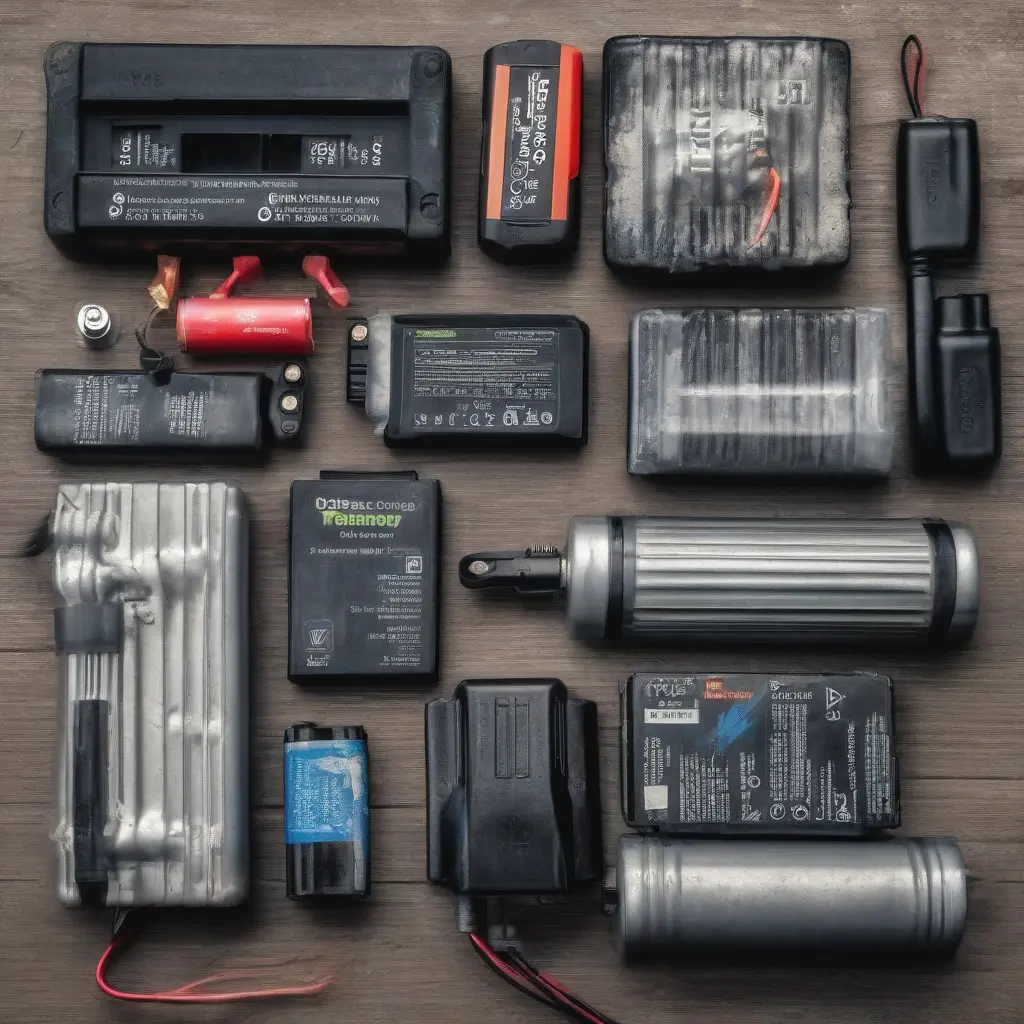
In today’s technology-driven world, our devices rely heavily on batteries for power. However, overcharging has become a common issue that can significantly compromise battery health and longevity. Understanding the implications of overcharging is vital for optimal device performance. This article delves into the effects of overcharging on batteries, the reasons behind it, and practical tips to prevent damage, ensuring that your devices remain efficient and functional for years to come.
What is Overcharging?
Overcharging occurs when a battery receives more electrical charge than it can safely handle. Most modern batteries, particularly lithium-ion types, are equipped with safeguards that prevent excessive charging. However, prolonged exposure to high voltage can still cause issues. Overcharging can lead to elevated heat levels, which can damage the battery cells. This gradual degradation diminishes the battery’s capacity, eventually leading to reduced runtime and potential failure.
Signs of Overcharging
Recognizing the signs of overcharging can help you take immediate action to protect battery health. Common symptoms include excessive heat, swelling, or unusual battery performance. If your device becomes overly hot during charging, this may indicate that it is receiving too much voltage. Moreover, if you notice a rapid decrease in battery capacity or if your device unexpectedly shuts down, these could be alarming signs of potential overcharging.
How Overcharging Affects Battery Life
Overcharging can significantly shorten a battery’s lifespan by causing irreversible damage to its internal components. The chemical reactions inside the battery can become unstable when exposed to prolonged high voltage, leading to increased degradation. Consequently, you may find that the battery holds less charge and requires more frequent recharging. Such effects not only compromise performance but also necessitate earlier replacements, ultimately increasing costs for the user.
Common Myths About Battery Charging
There are several misconceptions surrounding battery charging that can contribute to overcharging. One common myth is that leaving a device plugged in overnight is harmless. While many modern chargers come equipped with cutoff mechanisms, repeated overnight charging can still lead to minor stresses on the battery. Additionally, some believe that draining a battery to zero before charging improves its lifespan, which is not true for lithium-ion batteries that prefer partial discharge.
Best Practices for Charging Your Battery
Following certain best practices can help prevent overcharging and extend your battery’s life. It’s advisable to unplug your device once it’s fully charged, maintaining a charge between 20% and 80% for optimal longevity. Using quality chargers that are compatible with your device is also crucial. These chargers are designed to regulate current flow, minimizing the risk of overcharging while ensuring that your device receives the appropriate voltage.
Temperature Control During Charging
Temperature plays a significant role in battery health during charging. High temperatures can accelerate chemical reactions in batteries, which can lead to overcharging effects. Ensuring that your device is charged in a cool, dry environment can help mitigate these risks. If your device or charger exhibits high temperatures during use, it’s important to let it cool down before continuing to charge. Monitoring the charging area can also contribute to better battery management.
Using Smart Chargers and Technology
Advanced charging technologies, such as smart chargers, can significantly reduce the risk of overcharging. Many smart chargers come equipped with features that detect when a battery is fully charged and automatically stop the charging process. These devices can optimize charging times and maintain battery health, ensuring a longer lifespan. Consider upgrading to a smart charger or utilizing built-in features on your devices that manage charging automatically.
Battery Calibration Techniques
Battery calibration can help maintain battery accuracy and overall health. This process involves fully charging your battery and then allowing it to discharge completely. Conducting this calibration periodically can help improve the accuracy of the battery’s power gauge, which can prevent overcharging instances. Ensure you follow manufacturer guidelines for calibration, as improper techniques may further stress the battery.
Impact of Overcharging on Different Battery Types
Understanding the impact of overcharging varies between different battery types can guide best charging practices. Lithium-ion batteries are sensitive to overcharging and can exhibit failure more sharply than older nickel-based batteries. Conversely, nickel-metal hydride batteries can tolerate occasional overcharging, but it still affects their lifecycle. Recognizing these differences can help you tailor your approach to each device and battery type.
Conclusion
In conclusion, understanding the impact of overcharging is essential for maintaining battery health and longevity. By recognizing the signs and adhering to best practices for charging, users can mitigate potential damage effectively. Utilizing smarter technology and being mindful of charging conditions will further contribute to extended battery life, ensuring that your devices remain functional and reliable in today’s fast-paced digital world.