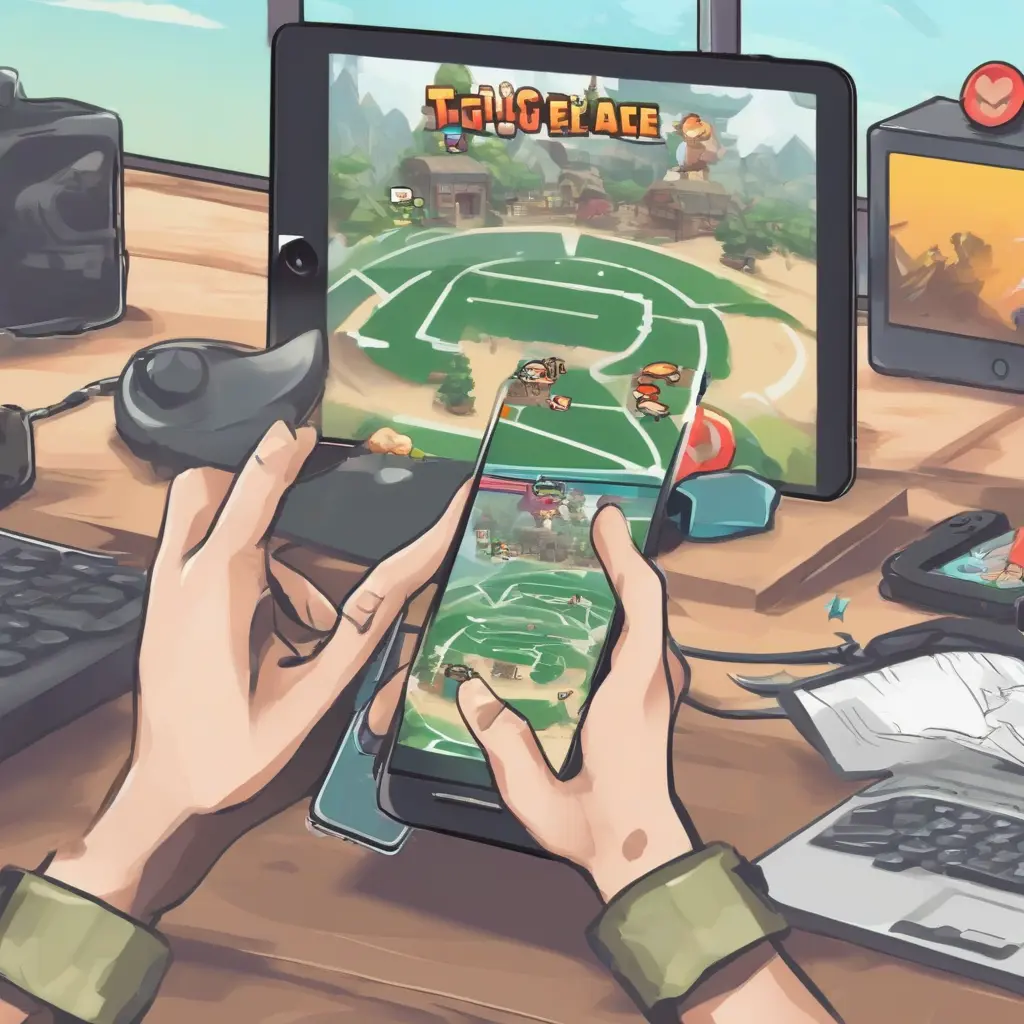
Mobile gaming has become a popular pastime, offering immersive experiences on the go. However, encountering lag can be frustrating and diminish the enjoyment of the game. Lag issues may arise due to various reasons, including device compatibility, network connections, and application settings. This article aims to provide practical solutions to resolve mobile game lag across different devices, ensuring a smoother gaming experience and improved performance for both casual and serious gamers.
Understanding Mobile Game Lag
Mobile game lag refers to the delays that occur when the game fails to respond smoothly to user inputs. These delays can interrupt gameplay, cause stuttering visuals, and lead to an overall negative experience. Lag often results from several factors, including hardware limitations, software inefficiencies, and network connectivity issues. Understanding these underlying causes is essential for gamers who want to improve their performance and fully enjoy their gaming sessions.
Common Causes of Lag in Mobile Games
Several factors can contribute to lag in mobile games, including insufficient hardware specifications, network connection quality, and overloaded system resources. Devices that lack the necessary processing power or RAM may struggle to run demanding games smoothly. Additionally, poor Wi-Fi or cellular connections can lead to delays and interruptions. Understanding the interplay between these causes can help gamers troubleshoot and address the lag they experience during gameplay.
Checking Device Specifications
Before diving into solutions, it’s crucial to verify that your device meets the game’s minimum requirements. Most games specify the necessary operating system version, RAM, GPU, and processor capabilities. Accessing the game’s official website or app store page can provide this information. If your device falls short in any area, upgrading to a newer model may ultimately be the best solution for experiencing games without lag.
Optimizing Network Settings
Network issues are a leading cause of lag in mobile gaming. To enhance performance, ensure you have a stable Wi-Fi connection or a strong cellular signal. Consider resetting your router or switching between Wi-Fi and cellular data to identify which connection yields better results. Furthermore, minimizing background applications can release bandwidth, prioritizing your gaming experience and reducing lag caused by slow data speeds.
Reducing Graphics Settings
Many mobile games offer customizable graphics settings, allowing players to adjust visual quality for better performance. Lowering graphic settings like resolution, texture quality, and frame rates can significantly reduce lag, especially on older devices. This compromise enables a more fluid gameplay experience, making the game enjoyable even if it sacrifices certain visual details.
Clearing Cache and Storage
Accumulated cache and temporary files can slow down mobile games and lead to performance issues. Regularly clearing the cache of the game and other applications may help enhance speed and responsiveness. Additionally, ensuring ample storage space is critical; devices with low storage can slow down due to high memory usage. Deleting unnecessary files and applications can create room for more efficient game performance.
Updating Software and Games
Outdated software, whether system software or game applications, can significantly affect performance. Developers frequently release updates that address bugs, optimize gaming performance, and introduce new features. Regularly checking for system and application updates ensures that your device is equipped with the latest improvements, which can alleviate issues related to lag.
Using Gaming Mode Features
Several mobile devices come with built-in gaming modes that optimize system performance for gaming. Enabling these modes may disable background tasks, limit notifications, and enhance resource allocation to the game. Utilizing gaming mode features can effectively reduce lag and provide a more immersive experience. Check your device’s settings to see if such options are available for use during gaming sessions.
Evaluating Game Server Status
Sometimes, lag can stem from issues on the game’s server side rather than the player’s device. Before blaming personal hardware or network issues, it’s wise to check the game’s official server status. Developers often post updates regarding server downtime or technical issues affecting performance. If the problem lies with the game’s servers, waiting for resolution may be your only option.
Restarting Your Device
A simple yet effective way to resolve lag and performance issues is by restarting your device. This action clears temporary files and resets system processes, enhancing the overall speed and performance. Regularly restarting your smartphone or tablet can serve as a maintenance tool, ensuring that applications and resources run smoothly, potentially reducing lag significantly during gameplay.
Conclusion
Understanding and addressing mobile game lag requires attention to various aspects, including device specifications, network quality, and application settings. By optimizing these factors, gamers can enhance their experiences and enjoy smoother gameplay. From adjusting graphics settings to monitoring network connections, there are actionable steps to mitigate lag across different devices. Implementing these strategies will not only improve game performance but also provide a more enjoyable mobile gaming experience.