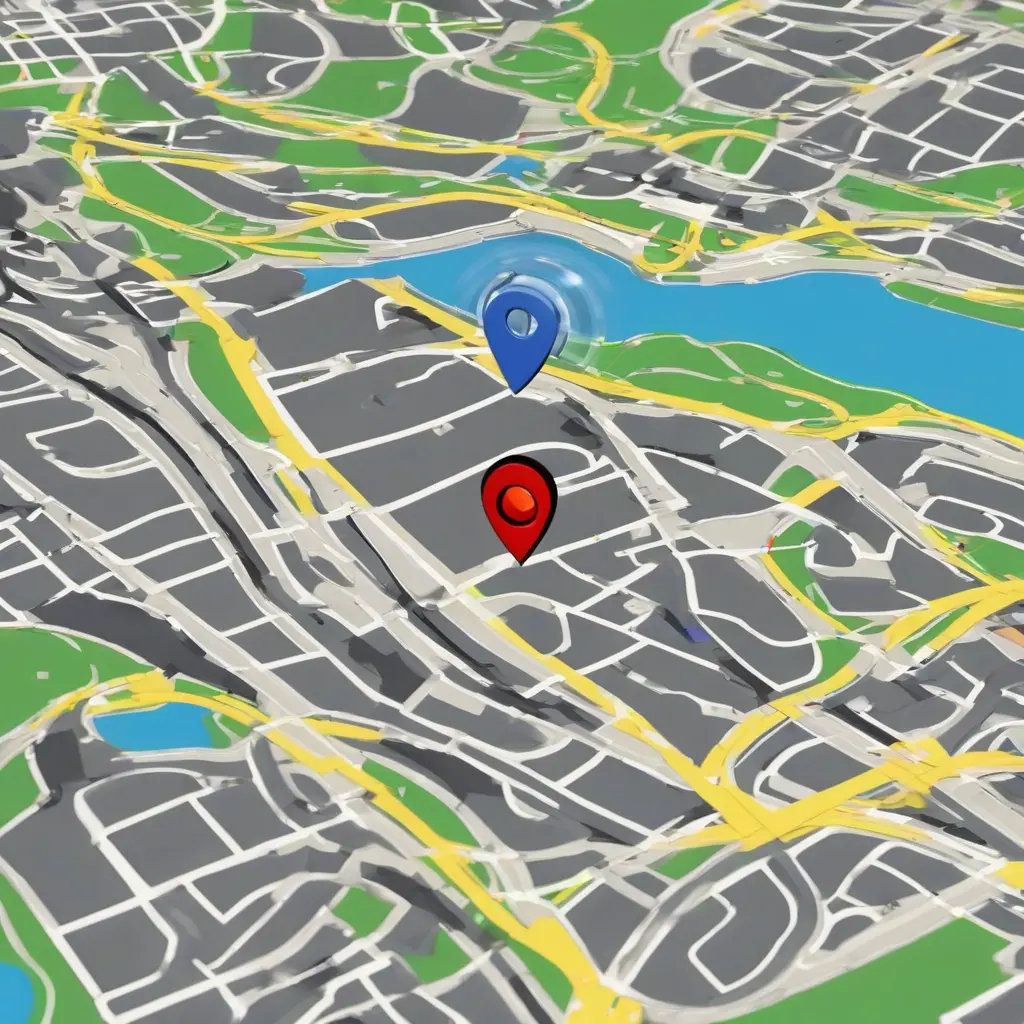
GPS functionality issues on mobile devices can be frustrating, whether it’s inaccurate location tracking, slow GPS response, or total GPS failure. Understanding the underlying causes is crucial for effective troubleshooting. Common problems may stem from software glitches, incorrect settings, or hardware failures. This guide offers practical step-by-step solutions tailored to help users accurately pinpoint and rectify GPS issues on their devices, ensuring a seamless navigation experience.
Check Your GPS Settings
Often, GPS functionality problems arise from incorrect settings on your mobile device. Begin by ensuring that the GPS feature is enabled. On most devices, you can find this option in the settings menu under Location Services. Confirm that Location Services is turned on and that GPS is selected as a feature, especially for apps that rely on location tracking. If necessary, adjust additional settings like High Accuracy mode, which utilizes GPS, Wi-Fi, and mobile networks to improve location precision.
Update Your Operating System
Staying updated with the latest operating system version can resolve many GPS-related problems. Manufacturers often release updates that fix bugs and improve functionality, including GPS capabilities. To check for updates, navigate to your device settings and look for System Updates or Software Updates. If an update is available, download and install it. This not only can strengthen GPS performance but also enhances overall device security and stability.
Clear Cache of Location-Based Apps
Caching issues can significantly affect the performance of location-based applications. Regularly clearing the cache for apps such as Google Maps, Waze, or any navigation tool can help ensure they operate effectively. To clear the cache, go to your device’s settings, find the application in the Apps section, and select ‘Clear Cache.’ This process removes outdated data which may be hindering accurate GPS functionality, allowing the apps to load fresh information.
Turn Airplane Mode On and Off
A simple yet effective troubleshooting step is toggling Airplane Mode on and then off again. This action resets your device’s connections, including GPS, Wi-Fi, and cellular data. To do this, swipe down from the top of your screen to access quick settings and activate Airplane Mode. Wait for a minute, then disable it. This method can resolve temporary connectivity issues that may interfere with GPS functionality.
Restart Your Device
Restarting your mobile device can often fix minor software glitches responsible for GPS problems. A reboot clears temporary files and refreshes the device’s memory. Simply press and hold the power button until you see the option to restart. After restarting, check if the GPS functionality has improved. This is one of the simplest yet most effective troubleshooting steps and should be your go-to option for many device-related issues.
Check for Physical Obstructions
GPS signals can be interfered with by physical obstructions, such as tall buildings, thick trees, or even your own hands when holding the device. To give your GPS the best chance of accurate location tracking, try using your device in an open area where it has a clear line of sight to the sky. If outdoor use doesn’t alleviate the issue, check whether the device case is affecting signal reception and consider removing it while using GPS.
Verify App Permissions
Sometimes GPS functionality issues arise from inadequate app permissions. Ensure that the applications attempting to access your GPS location have the necessary permissions enabled. To check app permissions, head to your device’s settings, locate the apps in question, and review the permissions. Grant necessary permissions if denied, and then test the app again to see if it can accurately access GPS data.
Check for Malware or Software Conflicts
Malware or conflicting software can cause GPS functionalities to behave erratically. Regularly scan your mobile device for malware and remove any suspicious apps that could be interfering with performance. Using antivirus software can help identify and resolve these threats. Additionally, consider uninstalling recently added apps to see if they may be causing the problem, as they might conflict with existing software affecting GPS accuracy.
Factory Reset as a Last Resort
If all else fails and GPS issues persist, a factory reset might be necessary. This action returns the device to its original state, eliminating soft or hard glitches that could be causing the problems. Before proceeding, backup your data as this process erases everything. To perform a factory reset, navigate to the settings menu, find Backup & Reset, and select Factory Data Reset. After the reset, set up your device anew to determine if this resolves the GPS malfunction.
Use GPS Testing Apps
Utilizing GPS testing applications can provide valuable insights into GPS functionality on your device. These apps can verify if the GPS hardware is working properly and if it can obtain a fix on your location accurately. Popular GPS testing apps display satellites in view, signal strength, and accuracy metrics. By putting your GPS capabilities to the test, you can pinpoint whether the issue lies with the hardware or the software of your device.
Conclusion
Resolving GPS functionality problems on your mobile device requires a systematic approach to troubleshooting. By checking settings, ensuring updates, and exploring various fixes, users can typically resolve issues efficiently. If problems persist, further investigation into potential hardware failure or professional assistance may be necessary. Understanding these steps empowers users to restore essential GPS functions, improving navigation accuracy and reliability.