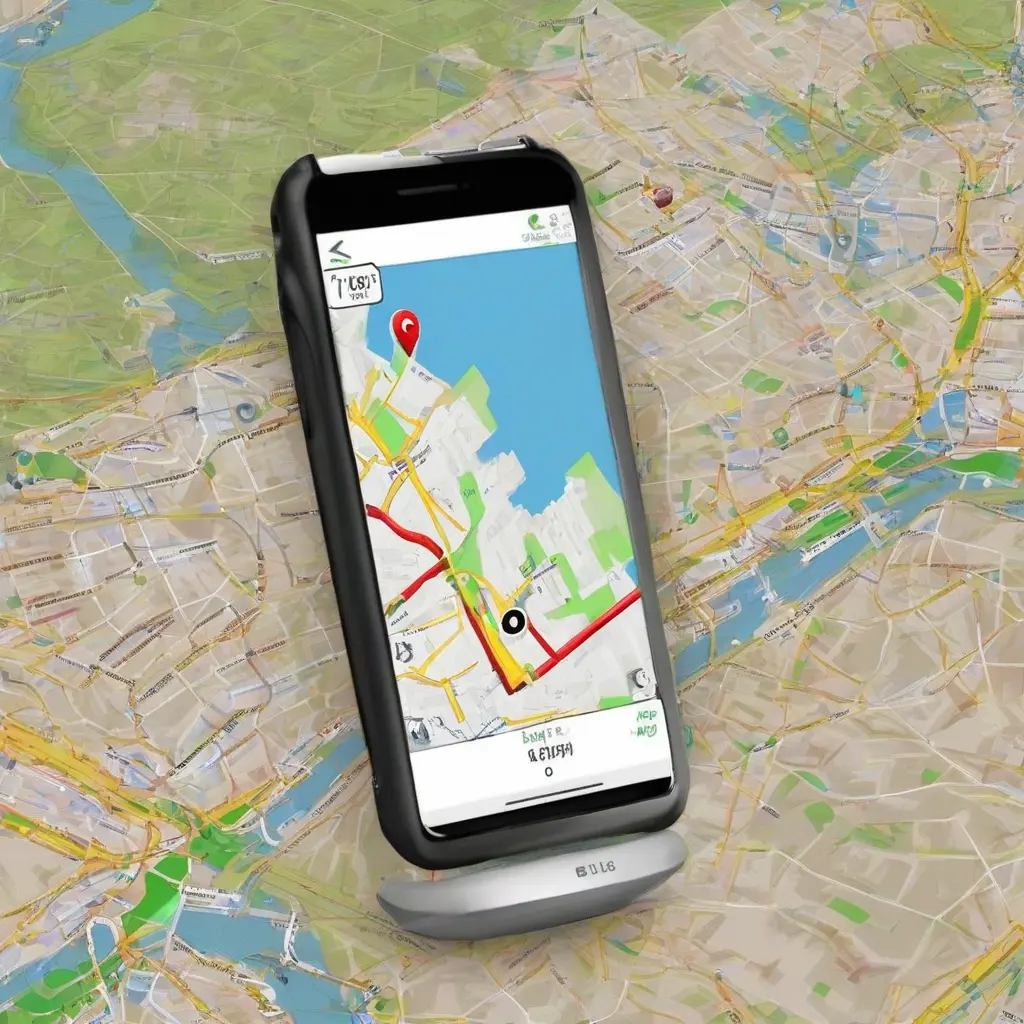
GPS issues on mobile devices can be frustrating, affecting navigation, location services, and even security features. Users often experience their GPS not working or showing inaccurate locations, which can arise from various causes including software glitches, hardware failures, or simple settings misconfigurations. Understanding how to diagnose and fix these GPS problems can significantly enhance the user experience. This guide covers common troubleshooting steps that can help resolve GPS issues on your device, ensuring reliable and accurate location tracking.
Check Location Settings
One of the first steps to take when encountering GPS issues is to check your device’s location settings. Ensure that location services are enabled, as they can be disabled accidentally. On most devices, you can navigate to the ‘Settings’ app, select ‘Location’, and then make sure the toggle is turned on. Additionally, look for modes such as ‘High Accuracy,’ which uses GPS, Wi-Fi, and mobile networks for better accuracy. Adjusting these settings can frequently resolve issues related to GPS accuracy and connectivity.
Restart Your Device
Sometimes, a simple restart can fix various technical glitches, including GPS problems. Restarting your device clears temporary cache files and can help refresh the device’s connectivity features. To do this, hold down the power button until the restart option appears. Once your device has rebooted, check if the GPS functions correctly. This step is often overlooked, yet it can reset the connection and solve minor software-related issues with GPS.
Update Your Operating System
Keeping your device’s operating system updated is crucial not just for security, but also for the optimal functioning of applications including GPS. Navigate to the ‘Settings’ app, select ‘System’, and look for ‘Software Updates’ or ‘System Updates’ to ensure you have the latest version installed. Updates often include bug fixes and enhancements that can resolve GPS issues. Regular updates can improve both the reliability of location services and overall performance, making this a vital step in troubleshooting.
Clear Cache and Data of GPS-Related Apps
Often, the cache and data of GPS-related applications can become corrupted, leading to problems with location accuracy. To clear the cache, go to ‘Settings’, then ‘Apps’, find the specific GPS application like Google Maps, and tap on ‘Storage’. From there, select ‘Clear Cache’ and, if necessary, ‘Clear Data.’ Be aware that clearing data will reset the app settings and remove saved offline data, but it can significantly improve performance and accuracy in providing GPS services.
Check for App Permissions
For GPS apps to function correctly, they require specific permissions. Navigate to the app settings and check if the GPS application has permission to access location services. If the permissions are restricted, adjust them to allow the app to access your location. On Android devices, this is found under ‘Settings’, then ‘Apps’, followed by the specific app. Ensuring that your apps have the necessary permissions can resolve issues related to accessing GPS and improve overall functionality.
Enable Airplane Mode
Enabling Airplane Mode can sometimes reset connectivity issues affecting GPS. When you activate Airplane Mode, your device disconnects from cellular networks, GPS, Wi-Fi, and Bluetooth. After a brief period, disable Airplane Mode to reconnect. This process often clears barriers that might be interrupting GPS services, allowing your device to establish fresh connections to satellites and networks. The reset can help solve persistent GPS problems by refreshing the device’s location settings.
Check for Obstructions
GPS signals can be obstructed by physical barriers such as buildings, large trees, or even being indoors. If you’re experiencing GPS difficulties, try moving to an open area where there are fewer obstructions. Ensuring a clear line of sight to the sky will help your device connect with GPS satellites more effectively. If possible, avoid using GPS in crowded areas or environments where signals might be blocked, as this could lead to inaccurate location readings or connectivity issues.
Reset Network Settings
If GPS problems persist, resetting network settings might be a necessary step. This will reset Wi-Fi, mobile data, and Bluetooth settings but does not erase your data. Go to ‘Settings’, select ‘System’, then ‘Reset’, and choose ‘Reset Network Settings.’ After the reset, you’ll need to reconnect Wi-Fi networks and re-establish Bluetooth connections, but it can resolve deeper connectivity issues affecting GPS functionality. This option should be used cautiously but can effectively resolve persistent GPS errors.
Test GPS with Multiple Applications
It’s wise to verify if the GPS issue is isolated to one application or if it affects multiple apps. Test various GPS-related applications like Google Maps, Waze, or a dedicated GPS app to see if the issue persists across all platforms. If GPS works fine in some apps, the problem may lie within the specific application settings or its permissions. However, if multiple apps are malfunctioning, it points to a broader issue with the device’s GPS or settings that need to be addressed.
Consult Manufacturer Support
If all else fails and your GPS issues continue, consider reaching out to your device manufacturer’s customer support. They can provide specialized tools and advice tailored to your specific device model. Information from support services may include troubleshooting tips, warranty options, or instructions for repairs if hardware problems are suspected. Consulting with support should be a step taken after all primary issues have been addressed and can offer peace of mind regarding persistent GPS troubles.
Conclusion
Fixing GPS issues on your mobile device requires a systematic approach to troubleshooting, from checking settings to testing applications. Regular maintenance and updates can prevent many GPS problems before they occur. By following these discussed steps, users can often resolve their GPS issues efficiently, enhancing their overall experience and productivity when using location-based services. Understanding these methods empowers users to take control of their mobile GPS functionality.