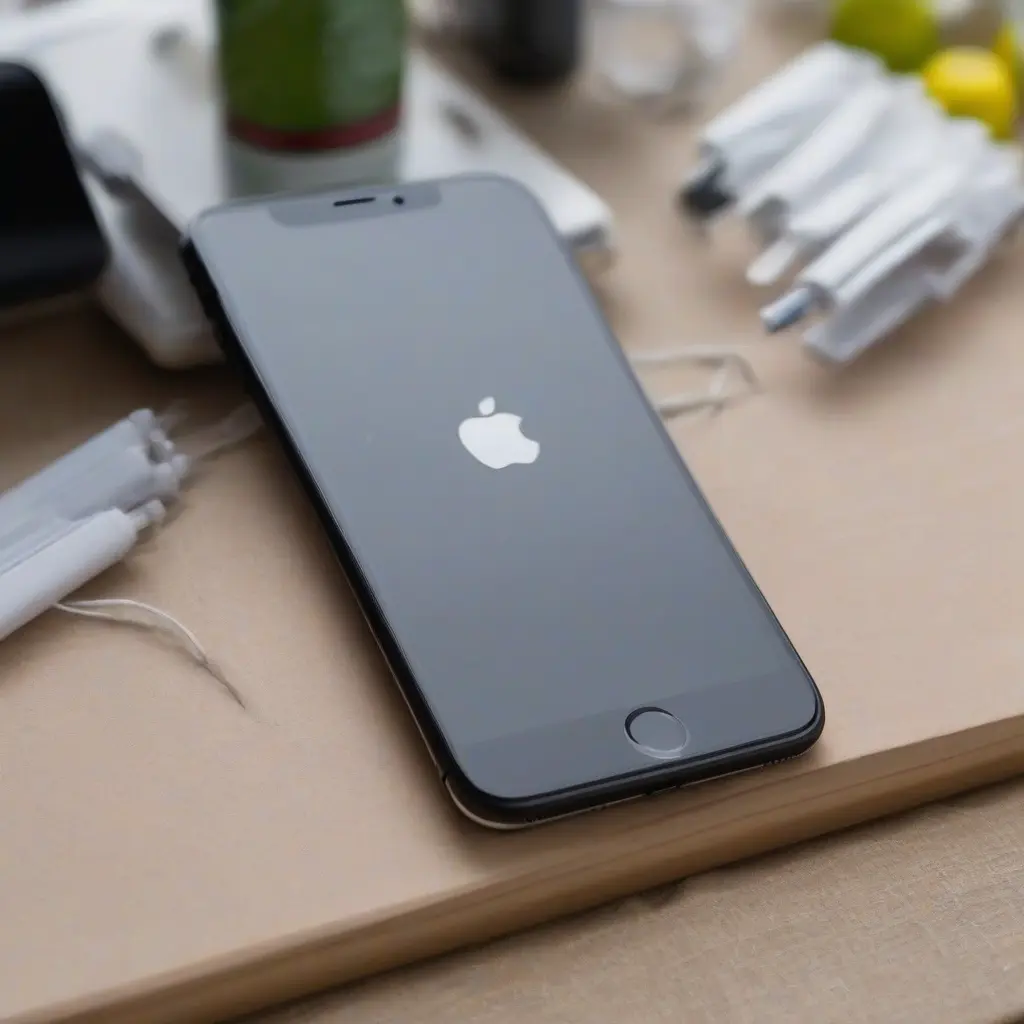
Experiencing screen touch issues on your iPhone or iPad can be frustrating and hinder your daily tasks. Whether your device is unresponsive, tapping is inaccurate, or touch sensitivity is compromised, there are several effective solutions to try. This guide will walk you through the possible causes of these issues and offer step-by-step methods to troubleshoot and resolve them. By following these tips, you can restore your device’s functionality and ensure a smoother user experience.
Identify the Cause of Touch Issues
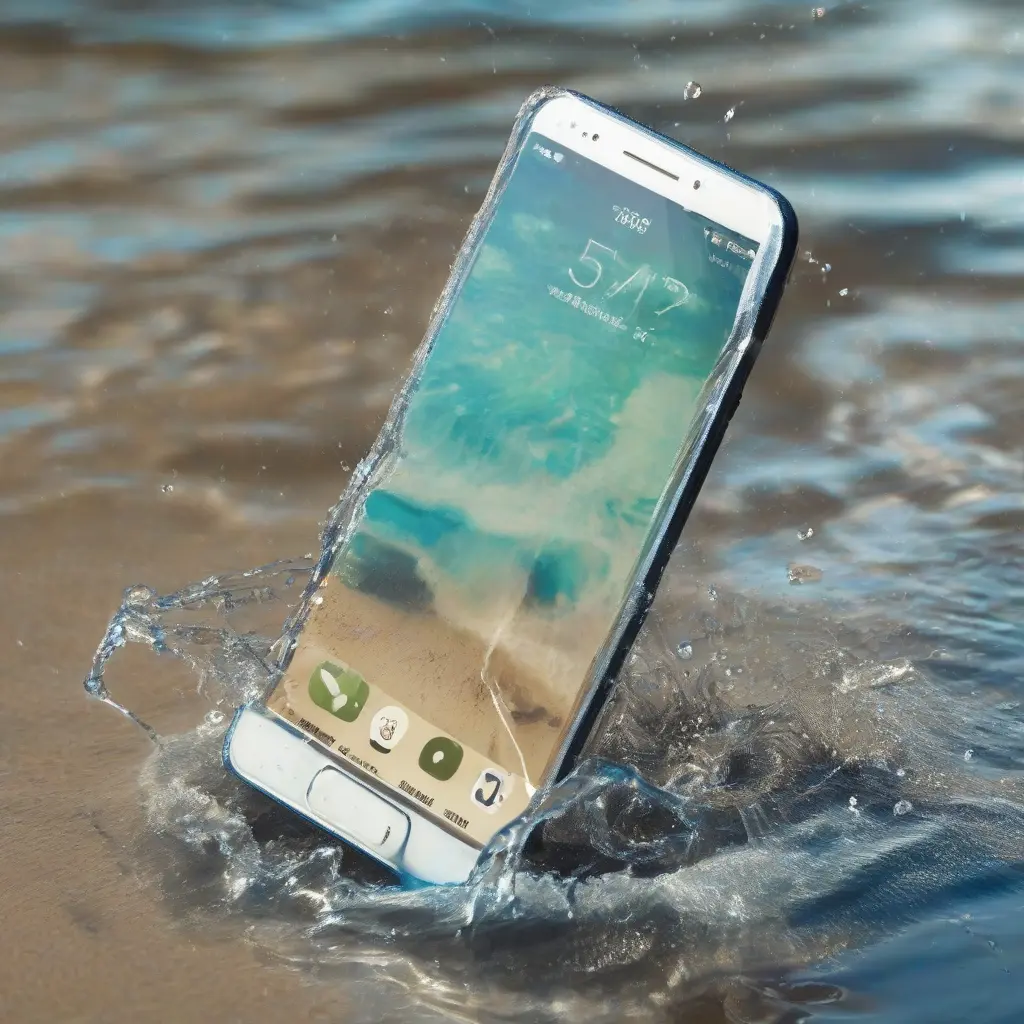
The first step in resolving any screen touch issue is to identify the underlying cause. This may be caused by software glitches, physical damage, or even compatibility issues with accessories. A software update might have introduced bugs, or dirt and grime could be interfering with the screen’s sensitivity. Additionally, if the device has experienced a fall or exposure to moisture, it may physically impair the screen’s performance. Taking the time to assess these factors is crucial for determining the right fix.
Restart Your Device
Restarting your iPhone or iPad can solve many minor glitches, including screen touch issues. To do this, press and hold the power button until the ‘slide to power off’ appears. Once your device is off, wait for a few seconds before powering it back on. This process refreshes the operating system and can often rectify temporary software-related problems. A simple restart may seem trivial, but it has proven effective for many users dealing with unresponsive screens.
Update Your iOS
Outdated software can lead to various issues, including touch sensitivity problems. It’s essential to keep your operating system updated to benefit from the latest features and bug fixes. To check for updates, go to ‘Settings,’ select ‘General,’ and then tap on ‘Software Update.’ If an update is available, download and install it. Regularly updating your iOS can ensure that your device operates smoothly and minimizes the likelihood of encountering touch issues.
Check for Accessibility Settings
Sometimes, specific accessibility settings can alter how your screen responds to touch. Features like ‘Touch Accommodations’ can change sensitivity levels, leading to touch issues. To check these settings, navigate to ‘Settings,’ select ‘Accessibility,’ and then look for ‘Touch.’ Ensure that any features affecting touch sensitivity are adjusted to your preference. Disabling these features temporarily can help you determine if they are the source of the problem.
Remove Screen Protector
If you’re using a screen protector, it might be contributing to your touch issues. Some protectors, especially those that are too thick or not specifically designed for your model, can interfere with touch sensitivity. Carefully remove the screen protector and test the device without it. If the touch issue resolves, consider investing in a high-quality, compatible screen protector that allows for optimal touch functionality. Always ensure that any protector installed aligns correctly with your device.
Clean the Screen
Dirt, oil, and other residues on your screen can obstruct touch sensitivity. Regularly cleaning your iPhone or iPad screen is important for maintaining performance. Use a soft, lint-free cloth slightly dampened with water or a screen-safe cleaner to wipe the display gently. Avoid using harsh chemicals or abrasive materials, as these can cause damage. Keeping your screen clean ensures that it registers touches accurately and effectively reduces the likelihood of issues arising.
Reset All Settings
If previous troubleshooting steps have not resolved the issue, resetting all settings can be an effective last-resort option. This action restores system settings to their defaults without deleting your data. To do this, go to ‘Settings,’ select ‘General,’ then ‘Transfer or Reset iPhone/iPad,’ and tap on ‘Reset All Settings.’ You will need to reconfigure some preferences afterward, but this can often resolve persistent touch issues by eliminating any conflicting setting changes.
Restore Your Device Using iTunes
Restoring your iPhone or iPad via iTunes can provide a fresh start and may fix deeply rooted touch issues. Before proceeding, ensure that your device is backed up, as this process erases all data. Connect your device to your computer, launch iTunes, select your device, and choose ‘Restore.’ Follow the prompts to complete the process. Once restored, you’ll have a clean slate and can see if touch issues persist. This method is helpful for users facing severe software conflicts.
Consider Hardware Repair
If none of the above solutions work, the issue could be hardware-related, possibly due to a damaged screen or internal components. It’s best to consult with a professional technician or visit an Apple Store for a thorough evaluation. They can perform necessary repairs or replacements to restore touch functionality. Keep in mind that self-repair can void warranties, so it’s advisable to seek expert assistance if hardware damage is suspected.
Conclusion
Fixing touch issues on your iPhone or iPad may require a multi-step approach, from simple restarts to professional repairs. By understanding the potential causes and following these troubleshooting steps, you can restore your device’s functionality. Keeping your software updated and your device clean will provide ongoing support for a better user experience. If all else fails, don’t hesitate to seek professional help to ensure your device operates as intended.