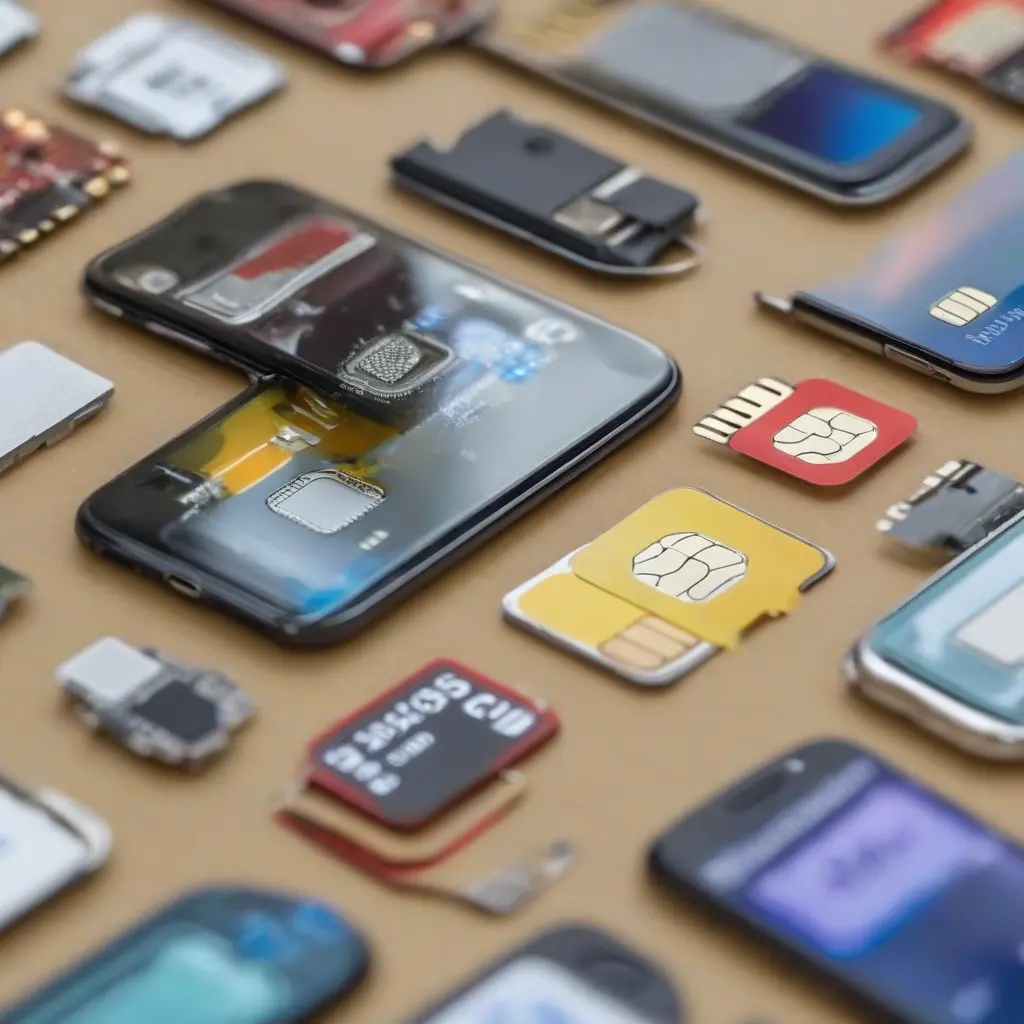
SIM card errors can disrupt your mobile phone functionality, leaving you unable to make calls or access data. This guide will provide you with effective troubleshooting steps to identify and resolve common SIM card issues. Whether your phone is displaying a ‘no SIM’ message, experiencing network connection problems, or facing others, understanding the underlying reasons can help you restore service quickly. Follow the detailed instructions below to troubleshoot SIM card errors and ensure your mobile experience is smooth and uninterrupted.
Check Physical SIM Card Placement
The first step in troubleshooting SIM card errors is to inspect the physical placement of your SIM card. Sometimes, the card may not be seated properly in the SIM tray. Power off your mobile device, then remove the SIM card using the appropriate tool. Carefully reinsert it, ensuring that it fits securely in its slot. After reinserting, power the device back on and check if the issue persists. A simple adjustment can often resolve connectivity problems and restore your mobile service.
Inspect the SIM Card for Damage
Next, examine the SIM card for any signs of physical damage. Look for scratches, dents, or chips that might affect its functionality. If the SIM card appears to be damaged, it may be necessary to replace it with a new one. You can contact your mobile carrier for a replacement if you have insurance or warranty coverage. A damaged SIM card can cause persistent errors and connectivity issues, so addressing this is crucial for resolving problems.
Restart Your Mobile Device
Sometimes, a simple restart can resolve SIM card issues. Restarting your mobile device can clear temporary glitches that may be causing the error. To do so, power off the device completely, wait a moment, and then turn it back on. Once the phone restarts, it will attempt to reconnect to the cellular network, which might resolve the problem. This step is often overlooked but can effectively fix minor issues.
Check for Software Updates
Ensure that your mobile phone’s operating system is up to date, as outdated software can lead to SIM card errors. Manufacturers frequently release updates that enhance device performance and fix known issues. Navigate to your phone’s settings, select ‘System’ or ‘About phone,’ and look for ‘Software updates.’ If an update is available, download and install it. Keeping your device updated not only improves functionality but can also prevent compatibility issues with your SIM card.
Verify Network Settings
Incorrect network settings can result in SIM card errors, so it is essential to check them carefully. Access your phone’s settings and navigate to ‘Network & internet’ or ‘Connections.’ Ensure that your mobile data is enabled and that the correct network type (GSM, CDMA) is selected for your carrier. If the settings appear correct but issues persist, try selecting ‘Network operators’ and perform a manual search to see if your provider is available.
Test with Another Device
If troubleshooting has not resolved the issue, testing the SIM card in another mobile device can help identify whether the problem lies with the card or your phone. Insert your SIM card into a compatible phone and determine if it functions properly there. If it works smoothly, the issue may be with your original device, whereas problems persisting in multiple devices indicate a potential issue with the SIM card itself.
Reset Network Settings
Resetting the network settings on your mobile device may help address persistent SIM card errors. This step will erase saved Wi-Fi networks and Bluetooth connections, so be prepared to input those credentials again. To reset network settings, navigate to your device’s settings menu, select ‘System,’ then ‘Reset options,’ and choose ‘Reset network settings.’ Confirm the action and allow your device to reboot. This often resolves more complex network connection issues.
Contact Your Mobile Carrier
If none of the previous troubleshooting steps have resolved your SIM card error, it might be time to contact your mobile carrier. They can provide insight into potential network outages or issues with your account that could be affecting connectivity. Additionally, if your SIM card is faulty, the carrier can assist you in obtaining a replacement. Keep your account information handy for a smoother interaction during this process.
Replace Your SIM Card
If after all troubleshooting steps your SIM card still exhibits issues, consider replacing it entirely. Sometimes, SIM cards can reach the end of their lifecycle or develop undetectable damage that affects functionality. Obtaining a new SIM card often resolves ongoing problems and ensures that your mobile services work correctly. You can visit a store associated with your carrier or request a new card online, depending on your preference and circumstances.
Consider Device Issues
Sometimes, the SIM card error may be symptomatic of a more significant issue within the mobile device itself. Hardware problems or software bugs can lead to persistent connectivity issues that mimic SIM card faults. If other troubleshooting methods have not resolved the problem, consider seeking professional repair services. Technicians can diagnose and fix underlying hardware complications that could be affecting your phone’s performance.
Conclusion
In conclusion, troubleshooting SIM card errors involves multiple steps that require careful examination of both the SIM card and your mobile device. By following the aforementioned guidelines, you can effectively identify and resolve the root cause of SIM card-related issues. Whether the problem is physical damage, software incompatibility, or network settings, these proactive measures can ensure seamless communication. If issues persist, don’t hesitate to reach out to your carrier for additional support.