Touchscreen responsiveness issues can be incredibly frustrating, impacting your device’s usability. Whether your touchscreen is completely unresponsive or has areas that fail to register taps, understanding how to troubleshoot these problems can help you restore functionality. This guide will outline various methods for diagnosing and fixing touchscreen issues on different mobile devices. By following these troubleshooting steps, you can enhance your experience and ensure that your touchscreen operates smoothly.
Common Causes of Touchscreen Issues
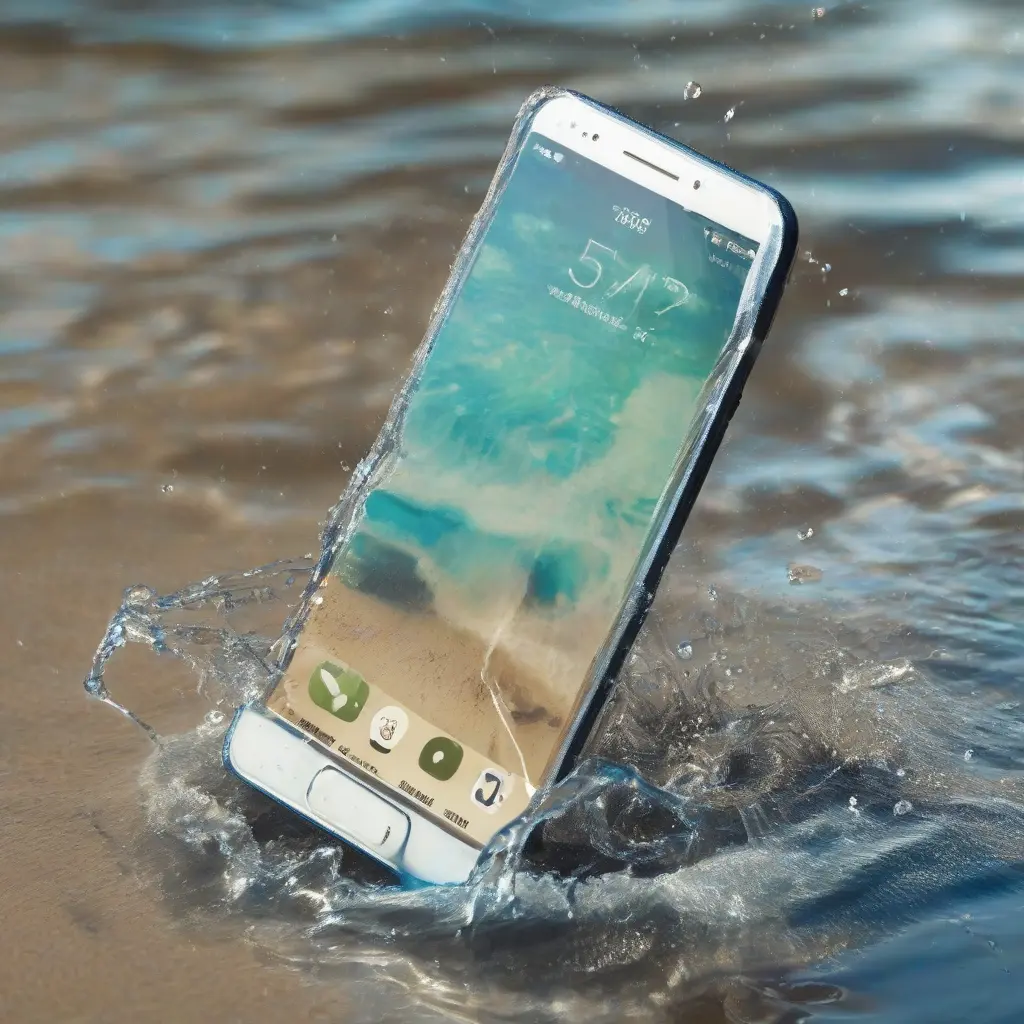
Understanding the common causes of touchscreen responsiveness issues is essential for effective troubleshooting. These problems can be attributed to software glitches, hardware defects, or external factors such as dirt or moisture on the screen. Software issues might arise from outdated operating systems, or bugs within applications, while hardware concerns could involve damaged screens or faulty digitizers. Environmental elements, including wet surfaces or accidental impact, can further exacerbate touchscreen malfunctions, making it important to diagnose the root cause accurately.
Restart Your Device
One of the simplest yet most effective troubleshooting steps is to restart your device. This process can clear temporary glitches and refresh your system. By power cycling your device, you allow the operating system to reset its processes, often resolving minor software issues causing touchscreen unresponsiveness. Depending on your device, you may need to hold down a specific combination of buttons or select the restart option within the settings menu. Restarting is quick and can frequently solve touchscreen issues without further intervention.
Check for Screen Damage
Physical damage to your touchscreen can significantly impact its responsiveness. Inspect your device for cracks, scratches, or signs of impact. Any visible damage can affect the touchscreen’s ability to register touches accurately. If you notice abnormalities, consider getting a professional evaluation or repair. In some cases, even a small crack can lead to larger software issues if not addressed promptly. Ensuring that your device is in good physical condition is crucial for maintaining optimal functionality.
Remove Screen Protectors and Cases
Sometimes, protective accessories like screen protectors or cases can interfere with touchscreen responsiveness. Dust, air bubbles, or poor-quality material can prevent your fingers from making proper contact with the screen. To troubleshoot, carefully remove the screen protector and any cases, and then test your touchscreen’s responsiveness. If the problem resolves, consider investing in a higher-quality accessory that doesn’t obstruct your device’s functionality. Always re-test the touchscreen after modifications to ensure the issue is truly resolved.
Update Your Operating System
Outdated operating systems can lead to various performance issues, including touchscreen responsiveness problems. Check for available updates by navigating to your device’s settings menu. Regular updates often contain patches for bugs and improve overall system performance. Ensuring that your device is running the latest version of its operating system can alleviate persistent issues. In some cases, users may neglect updates, resulting in prolonged difficulties. Therefore, regular maintenance through updates plays a crucial role in sustaining device functionality.
Calibrate the Touchscreen
Calibrating your touchscreen can help improve its responsiveness. Many devices offer an option for touchscreen calibration in the settings menu, allowing the system to re-evaluate the touchpoints across the screen. Follow the on-screen instructions to complete the calibration process, which can significantly enhance accuracy and touch sensitivity. Although this option is not available on all devices, it can be especially beneficial if your touchscreen has become erratic or is misinterpreting touch inputs. Calibration is a straightforward way to restore touch accuracy.
Safe Mode Troubleshooting
Booting your device into safe mode can help isolate software issues affecting the touchscreen. Safe mode loads only essential system applications, disabling any third-party apps that might be causing conflicts. If your touchscreen responds well in safe mode, a problematic app is likely to blame. You can uninstall recently installed or updated apps to find the culprit. To enter safe mode, the process may vary depending on your device model. Consult your user manual or search online for specific instructions tailored to your device.
Factory Reset as a Last Resort
If all troubleshooting methods fail to resolve touchscreen issues, consider performing a factory reset as a last resort. This step will erase all data and return the device to its original settings, eliminating any underlying software problems. Prior to performing a factory reset, ensure you back up essential data to avoid any loss. After resetting, monitor the touchscreen to determine if the issue persists. While this method can restore functionality, it is crucial to recognize that it should be used only after exhausting all other troubleshooting options.
Contact Customer Support
If troubleshooting does not remedy your touchscreen responsiveness issues, contacting customer support is advisable. This step can provide you with professional guidance tailored to your specific device. Customer support can assist in further diagnosis and may recommend a repair or replacement if necessary. Most manufacturers offer warranties that could cover repairs for hardware-related issues. Documenting your troubleshooting steps before reaching out will also help support agents understand your situation better.
Preventative Measures to Avoid Issues
Taking proactive measures can help prevent touchscreen responsiveness issues in the future. Regularly clean your device’s screen with appropriate materials to avoid dirt buildup that can obstruct touch functionality. Additionally, using a quality screen protector can safeguard against scratches and impacts. Keeping your operating system updated and avoiding installing unnecessary third-party apps can also enhance performance. Adopting these habits will ensure your device remains functional and extends its lifespan, reducing the likelihood of unexpected problems.
Conclusion
Troubleshooting touchscreen responsiveness issues can often be straightforward when approached systematically. From assessing physical damage to employing software-based solutions, many steps can restore your device’s functionality. Remember that routine maintenance and being proactive can help avoid these issues in the future. If troubleshooting proves unsuccessful, don’t hesitate to seek professional assistance. Staying informed and prepared will enhance your overall mobile experience.