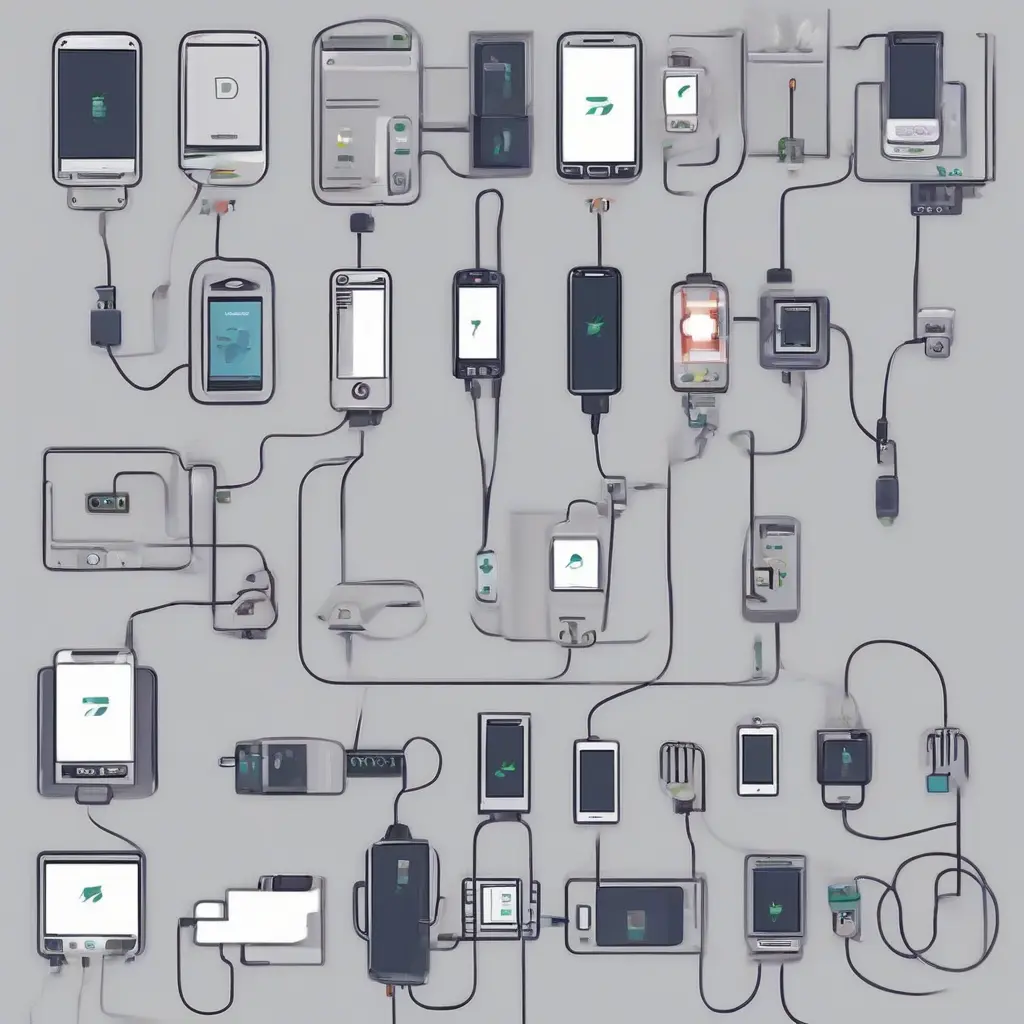
Mobile device charging issues can be frustrating, especially when you’re in need of a quick power boost. Knowing how to diagnose and resolve these problems is essential for maintaining your device’s functionality and longevity. Whether the issue lies with the charger, cable, or the device itself, this guide will provide you with practical steps to identify the root cause and rectify the situation efficiently.
Common Mobile Device Charging Issues
Understanding common mobile device charging issues can help you troubleshoot effectively. Problems like the device not charging at all, charging slowly, or charging intermittently can arise from various sources. These issues might stem from a faulty charger, damaged cables, dirty charging ports, or even software glitches. Identifying the type of charging problem you’re experiencing is the first step toward finding a suitable solution.
Inspect Your Charging Cable
The charging cable is often the culprit behind charging issues. Look for visible signs of wear and tear, such as fraying or kinks. Using a damaged cable can hinder electricity flow, causing slow or intermittent charging. Additionally, ensure that the connectors are clean and free from debris. If possible, try using a different cable that is compatible with your device to determine if the cable is the source of the problem.
Examine the Wall Adapter
The wall adapter plays a crucial role in mobile device charging. Inspect the adapter for any physical damage, such as cracks or bent prongs. Additionally, make sure it is plugged into a functional power outlet. Sometimes outlets can fail, so testing the adapter in different outlets can reveal if the issue lies there. Using a different adapter that matches your device’s specifications can also provide insight into whether the adapter is at fault.
Check the Charging Port
A dirty or damaged charging port can lead to poor connectivity between your device and charger. Inspect the port for lint, dust, or any obstructions that might impede the charging connection. Gently cleaning the port with a soft brush or compressed air can resolve minor blockages. If the port appears damaged or loose, it may require professional repair to restore functionality and ensure proper charging.
Software Updates and Settings
Sometimes, software glitches can cause charging issues. Ensure that your device’s operating system is up to date, as software updates often include important fixes and improvements. Navigate to your device settings and check for any pending updates. Additionally, if your device features a battery management setting, examine those settings to ensure nothing is inadvertently limiting charging capability.
Power Cycle Your Device
Power cycling your device can resolve temporary software glitches affecting charging. To power cycle, simply turn off your device completely and then turn it back on after a minute. This process helps refresh the device’s system and clears temporary data that could be causing issues. After the restart, connect the charger again to see if the problem persists.
Battery Health Check
The health of your battery can significantly influence charging performance. Most modern smartphones have a built-in battery health feature that allows you to check the condition of the battery. Look for unusual signs such as swelling or excessive heat while charging, as these could indicate serious battery problems that require immediate attention. If your battery health is poor, it may be time for a replacement.
Use a Different Charger
Testing with a different charger can help you isolate the issue. If your device charges normally with an alternate charger, the original charger may be malfunctioning. Similarly, if the device does not charge with another charger, the issue likely resides within the device itself. Use chargers that conform to your device’s voltage and current specifications for optimal results.
Seek Professional Help
If all troubleshooting steps fail to resolve your charging issue, it might be time to seek professional assistance. Visit an authorized service center where technicians can diagnose the problem accurately. They have specialized tools and training to deal with more complex hardware issues. Investing in professional help can potentially save you from more significant expenses down the road.
Preventive Measures for Charging Issues
Taking preventive measures can significantly reduce the likelihood of future charging issues. Invest in high-quality chargers and cables from reputable brands to ensure reliability. Regularly clean the charging port and avoid using your device while it’s charging to minimize stress on the cable. Additionally, if you notice any signs of battery degradation, replace it promptly to maintain optimal performance.
Conclusion
Diagnosing and resolving mobile device charging issues involves a systematic approach to identify potential problems effectively. By inspecting cables, adapters, and ports, along with considering software factors, you can often resolve these issues swiftly. However, if challenges persist, professional assistance is advisable. Following preventive measures will help ensure your device remains in optimal working condition for years to come.