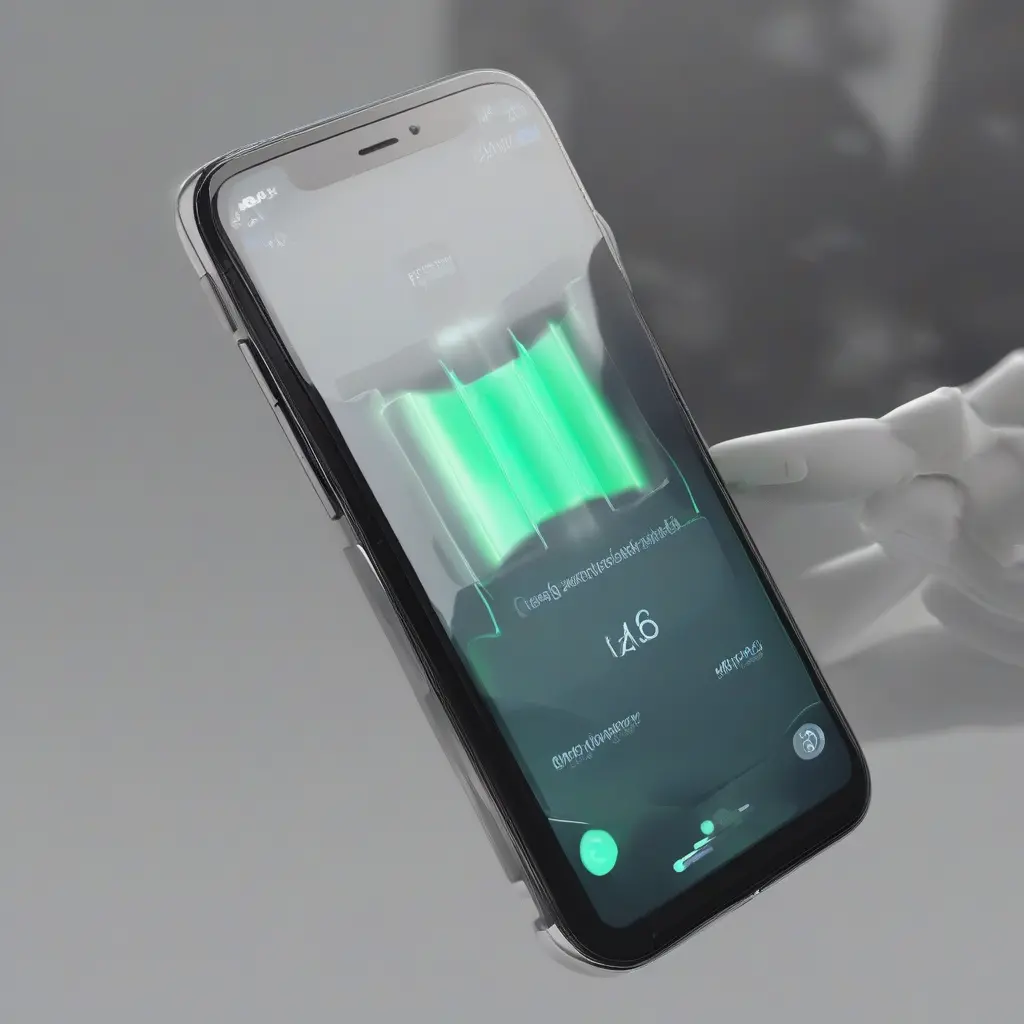
Maintaining your smartphone’s battery health is crucial for extending its lifespan and ensuring optimal performance. A well-maintained battery not only enhances overall device function but also improves your daily user experience. Over time, however, factors such as charging habits, software usage, and environmental conditions can negatively impact battery health. This comprehensive guide will explore effective techniques for preserving your battery’s capacity, ensuring your smartphone remains functional and efficient for years to come.
Understanding Battery Chemistry
Modern smartphones use lithium-ion batteries, which have specific charging and discharging characteristics. Understanding this battery chemistry can significantly impact your maintenance strategies. Lithium-ion batteries perform best when kept between 20% and 80% charge levels. Frequently discharging the battery to 0% or charging it to 100% can lead to a decrease in longevity and overall capacity. Familiarizing yourself with these characteristics helps in developing effective charging habits that preserve battery life.
Optimal Charging Practices
Adopting optimal charging practices is essential to extend your smartphone’s battery life. It is advisable to use the original charger provided with your device, as it is designed specifically for its battery requirements. Avoid leaving your smartphone plugged in overnight or for extended periods once fully charged, as this can cause overheating and stress to the battery. Additionally, consider charging your smartphone during short intervals, keeping it between 20% and 80% to maintain its health.
Temperature Considerations
Temperature plays a significant role in battery performance and longevity. Lithium-ion batteries operate best at room temperature, typically between 20°C and 25°C (68°F to 77°F). Exposure to extreme cold or excessive heat can lead to irreversible damage and diminished battery life. Avoid leaving your smartphone in direct sunlight, near heating elements, or in cold environments. Keeping your device within a comfortable temperature range contributes to prolonged battery health.
Using Battery Saving Modes
Most smartphones come equipped with battery-saving modes that automatically adjust settings to prolong battery life. Utilizing these modes can significantly enhance battery health by limiting background activities and reducing screen brightness. It’s especially beneficial when your device is running low on power. Activating battery-saving features can also help in minimizing applications that drain battery life, creating a more efficient user experience and improving overall battery longevity.
Avoiding Battery-Draining Apps
Some applications are notorious for consuming excess battery power, impacting overall smartphone functionality. Monitoring your app usage can reveal which applications are draining your battery the most. Regularly check your device’s battery settings to identify resource-heavy applications and consider uninstalling or limiting their use. This proactive approach not only helps maintain battery health but also enhances device performance and responsiveness.
Regular Software Updates
Keeping your smartphone’s software up to date is crucial for maintaining its battery health. Software updates often include optimizations and bug fixes that can enhance battery performance and efficiency. Regularly installing updates ensures your device utilizes battery power effectively and may introduce new battery-saving features. By prioritizing these updates, you contribute to the overall longevity and stability of your smartphone’s battery.
Battery Calibration Techniques
Battery calibration is an effective technique to ensure your smartphone accurately reads charge levels. This process involves fully charging your device, allowing it to drain completely to 0%, and then charging it back to 100% without interruption. Performing this calibration occasionally can help recalibrate the battery system, improving its performance and extending its lifespan. It is recommended to do this once every few months as part of your routine maintenance.
Physical Protection Against Damage
Protecting your smartphone from physical damage is vital to maintaining battery health over time. Utilizing a sturdy case can prevent drops and impacts that may harm the battery or internal components. Screen protectors can also safeguard against scratches and cracks, enhancing overall longevity. Additionally, being mindful of how you handle your device helps avoid accidents that could lead to shortened battery life or even total device failure.
Battery Replacement Considerations
As smartphones age, their batteries may naturally degrade, leading to reduced capacity and performance. If you notice significant battery issues, consider a battery replacement. Consult with a certified technician who can ensure the new battery is compatible with your device and installed correctly. This proactive approach allows you to revive your smartphone’s performance and prolong its usability, making battery replacement a wise consideration for maintaining overall device health.
Managing Notifications and Connectivity
Managing notifications and connectivity features can play a crucial role in preserving battery health. Each notification consumes a small amount of battery, and keeping excessive alerts enabled can lead to unnecessary drain. Additionally, turning off Wi-Fi, Bluetooth, and location services when not in use can save considerable energy. By assessing which features are essential and which can be disabled, you can create an efficient operating environment for your smartphone.
Avoiding Live Wallpapers and Widgets
While dynamic wallpapers and widgets enhance visual appeal, they can significantly consume battery power. Live wallpapers demand more processing power and energy, leading to shorter battery life. Consider opting for static backgrounds and limiting the use of widgets to essential applications only. Simplifying your home screen can not only improve battery efficiency but also create a more organized and streamlined user experience.
Limit Background App Refresh
Background app refresh allows applications to update even when not in use, which can drain battery life. Limiting this feature can help conserve power and enhance your smartphone’s performance. Examine your app settings to selectively disable background refreshing for apps that do not require constant updates. By doing so, you prioritize battery preservation, ensuring your device remains functional throughout the day.
Conclusion
Maintaining your smartphone’s battery health is an ongoing process that involves mindful usage and regular maintenance. By implementing the strategies outlined in this guide—from optimal charging practices to managing connectivity—you can significantly extend your battery life. Taking proactive steps toward battery care ensures a smooth and reliable smartphone experience, ultimately enhancing your overall satisfaction with the device.