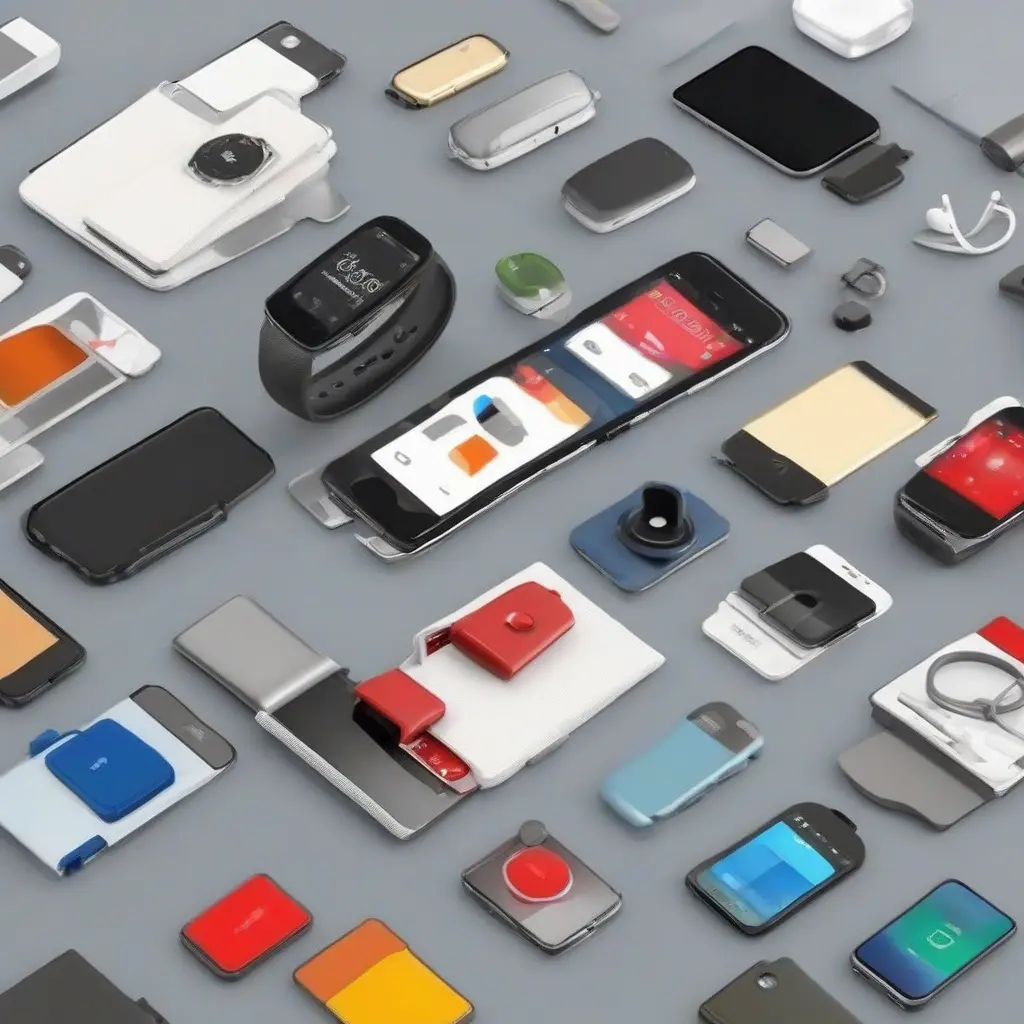
Ensuring the compatibility of mobile accessories is crucial for optimal performance and enhanced user experience. Many users often purchase accessories without checking for compatibility, leading to issues like poor functionality or even damage to devices. Understanding the different factors affecting compatibility, such as device specifications and accessory features, can help you make informed choices. This guide provides essential tips for selecting and using mobile accessories that align with your device, ensuring seamless operation and longevity.
Understand Your Device Specifications
One of the first steps in ensuring accessory compatibility is to understand your device specifications. Mobile devices vary in their hardware and software features, including ports, Bluetooth versions, and operating systems. For instance, if you have a smartphone that supports USB-C, but the accessory uses a micro-USB connector, it won’t fit. Likewise, accessories designed for specific operating systems (like iOS or Android) may not function on other platforms. Always check your device’s specifications, as this knowledge will steer you toward compatible accessories.
Check for Compatibility Labels
Many accessories come with compatibility labels or certifications that indicate which devices they work with. These labels can often be found on packaging or product descriptions online. Look for phrases like ‘Compatible with iPhone 12,’ or ‘Works with Android devices.’ Additionally, certification indicators such as MFi (Made for iPhone) offer assurance that an accessory has been tested for quality and compatibility. When shopping, prioritize accessories that include these labels to avoid issues down the line.
Consider Charging Requirements
Charging accessories, such as cables and adapters, require special attention regarding compatibility. Different devices may have varying charging speeds and voltages, meaning using an incompatible charger can lead to slower charging or, in some cases, battery damage. It’s essential to check the amperage and voltage specifications of your device and the accessory to ensure they match. Utilizing a charger that meets or exceeds your device’s requirements is always a prudent choice for battery health.
Look for User Reviews
User reviews can provide valuable insights into the compatibility and performance of mobile accessories. Before making a purchase, explore reviews from other consumers who have used the product with similar devices. Customers frequently include information about ease of use, functionality, and any compatibility issues they faced. Checking well-established review platforms or forums can enhance your decision-making process, helping you choose accessories that truly work well with your mobile device.
Evaluate Brand Reputation
The reputation of a brand can significantly influence the compatibility and quality of mobile accessories. Well-established brands tend to have rigorous testing processes, ensuring their products work well with various devices. While new or lesser-known brands may offer lower prices, they often lack the quality assurance needed for seamless compatibility. Researching various brands and opting for those with a solid reputation can enhance your chances of purchasing compatible accessories that last longer and perform reliably.
Explore Advanced Features
Many newer mobile accessories come with advanced features like fast charging or multi-device connectivity. However, these features often require compatible devices to function correctly. For example, a fast-charging cable may only deliver optimal performance if used with a device that supports fast charging. Research the advanced features of both your device and the accessory to verify compatibility. This will not only enhance your user experience but can also save you time and frustration during use.
Seek Professional Recommendations
If you’re uncertain about which accessories to choose, seeking recommendations from professionals can be immensely helpful. Visiting retail stores or tech service centers can connect you with knowledgeable staff who understand mobile compatibility. They can guide you in selecting accessories tailored specifically for your device type and usage patterns. Consulting professionals can save not only your time but also the potential hassle of dealing with incompatible products.
Utilize Manufacturer Websites
Manufacturer websites often provide comprehensive information regarding compatible accessories for their devices. These sites may offer lists of tested and approved accessories, ensuring you purchase options that integrate seamlessly with your mobile device. Additionally, manufacturer websites may include FAQs and troubleshooting guides, enhancing your understanding of what works best with your device. Don’t overlook this valuable resource when searching for compatible mobile accessories.
Test Accessories Before Full Use
Testing accessories in-store or during the return period is a wise approach to ensure compatibility. When purchasing bring your device to the store, allowing you to check the accessory’s fit and functionality firsthand. Should you order online, confirm the return policy and keep the packaging intact for easy returns. This practice can help you avoid the frustrations of realizing that a newly bought accessory does not function as expected after use.
Updates and Compatibility Changes
As technology evolves, compatibility between devices and accessories can change. Software updates may introduce new features or compatibility requirements, meaning that older accessories may cease to function with newer devices. Regularly checking for accessory firmware and software updates ensures optimal performance and longevity. Staying informed about changes not only extends the usability of your accessories but can also prevent potentially harmful issues for your devices.
Conclusion
Ensuring the compatibility of mobile accessories is essential for maximizing your device’s performance and longevity. By understanding device specifications, checking compatibility labels, and seeking professional advice, you can make informed purchasing decisions. Utilizing these tips will help enhance your overall user experience, allowing you to enjoy your mobile device to its fullest potential.