Caring for your mobile device during seasonal changes is crucial for maintaining its performance and lifespan. With winter’s cold temperatures and summer’s heat and humidity, your device can be affected in various ways. Understanding how each season impacts mobile devices empowers you to take preventive measures and avoid costly repairs. This article will provide practical tips tailored for winter and summer, helping you protect your device from seasonal extremes.
Understanding Temperature Effects on Mobile Devices
Temperature fluctuations can significantly impact your mobile device’s performance. Cold weather can cause batteries to drain rapidly, while extreme heat can lead to overheating. Most smartphones operate best in temperatures between 32°F and 95°F (0°C to 35°C). Exceeding these limits may result in slowed performance or device failure. Therefore, being mindful of your surroundings and avoiding extreme temperatures is essential for prolonging your device’s life.
Protecting Your Device from Winter Elements
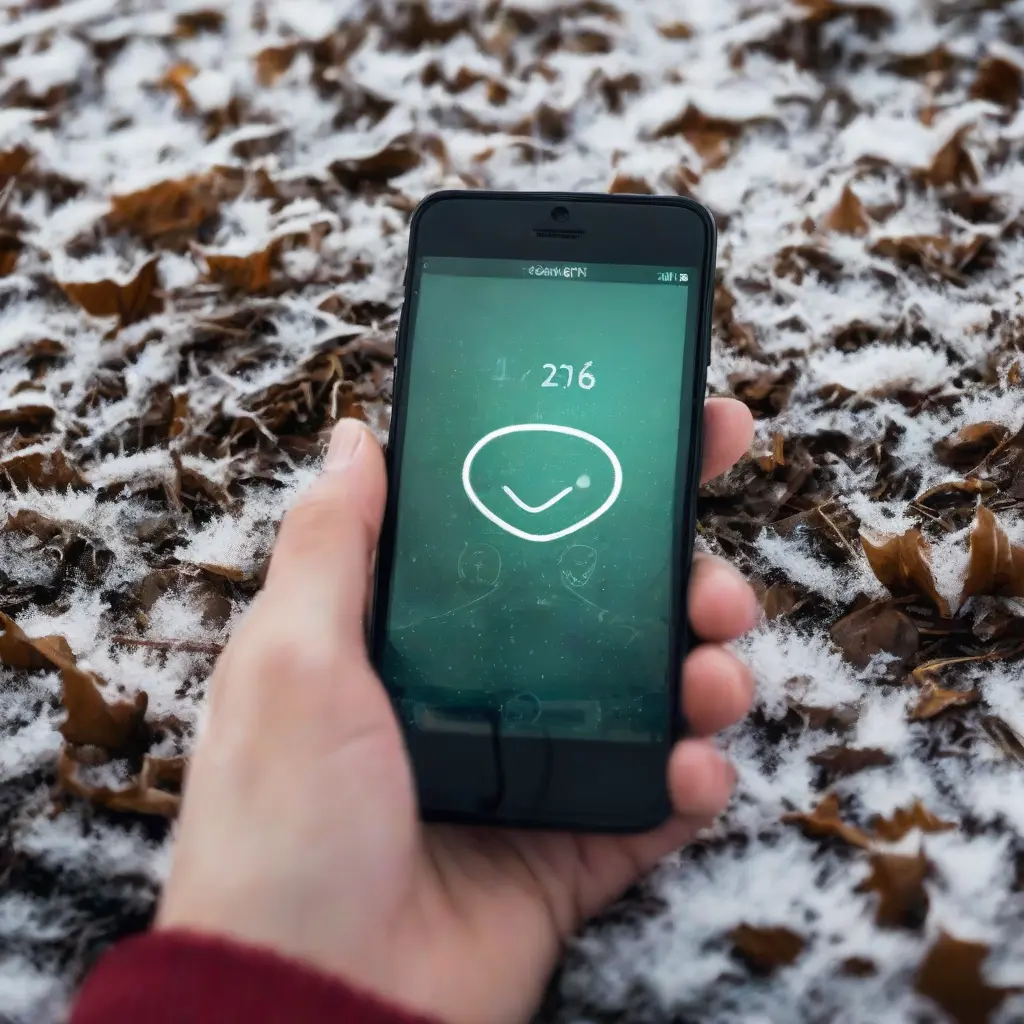
Winter poses several challenges for mobile devices, particularly from cold air and moisture. Cold temperatures can cause the battery to weaken, while snow and rain can damage internal components. To minimize risks, consider using a water-resistant case and avoid exposing your device to harsh weather whenever possible. Additionally, keeping your phone close to your body can help maintain its warmth and prolong battery life during extremely cold outings.
Maintaining Battery Health in Winter
The battery health of mobile devices often deteriorates in winter due to the cold’s impact on lithium-ion batteries. It’s advisable to keep your device indoors as much as possible and avoid letting it sit in a cold car. Regular charging can also help maintain battery efficiency; aim to keep the charge between 20% and 80%. Using battery savers and avoiding resource-heavy applications can further ensure your battery remains functional during the cold months.
Dealing with Winter Humidity and Condensation
Winter can bring varying levels of humidity, leading to condensation inside your device. When moving between hot and cold environments, moisture can form, potentially damaging sensitive components. To prevent this, allow your device to acclimate before using it in a different temperature zone. Avoid keeping your device in moist areas, and consider using silica gel packs in your bag to absorb excess moisture.
Staying Safe from Summer Heat and Humidity
Summer heat and humidity can be detrimental to mobile devices, leading to screen damage and battery malfunction. Direct sunlight can cause overheating, which may prompt your device to shut down. Utilize a protective case with thermal insulation properties and avoid leaving your phone in direct sunlight or hot, enclosed spaces like cars. Keeping a safe operating temperature is key to preserving your device’s functionality.
Managing Battery Usage in Summer
In the summer months, battery usage can spike due to the increased use of GPS, cameras, and social media. To maintain battery life, disable unnecessary features like Bluetooth and Wi-Fi when not in use. Opt for power-saving modes available in most devices and limit the use of power-intensive applications. Regularly updating your mobile software ensures optimized performance and can contribute to overall battery health during the summer.
Protecting Your Device from Summer Rain
Summer storms can introduce unexpected rain, posing a risk to your mobile device. To mitigate potential water damage, consider using a waterproof case or pouch while engaging in outdoor activities. It’s crucial to avoid using your device in heavy rain, and if it does get wet, immediately turn it off and dry it thoroughly. Remember, ensuring your device’s waterproofing features are intact before the onset of rain can save you time and money.
Cleaning Your Device for Seasonal Changes
Regular cleaning of your mobile device is essential, especially during seasonal transitions when dirt and moisture may accumulate. Use a soft microfiber cloth to clean the screen and cases. Avoid using harsh chemicals that could damage the surface. Additionally, cleaning out ports and speakers with compressed air can prevent dust and debris buildup that may interfere with function, ensuring optimal performance throughout every season.
Utilizing Device Insurance and Warranty
Having device insurance or an extended warranty can provide peace of mind through seasonal changes. Coverage can protect against accidental damage caused by environmental factors, like water damage or drops during winter or summer activities. When purchasing a new device, consider investing in insurance that covers potential seasonal hazards, ensuring you are prepared for any unexpected incidents that may arise throughout the year.
Conclusion
Caring for your mobile device during winter and summer is vital for preventing wear and tear while enhancing its performance. By understanding how temperature changes affect your device, you can implement practices that extend its lifespan. Seasonal care, including protection from elements, battery management, and regular cleaning, ensures your mobile device remains functional and reliable year-round.