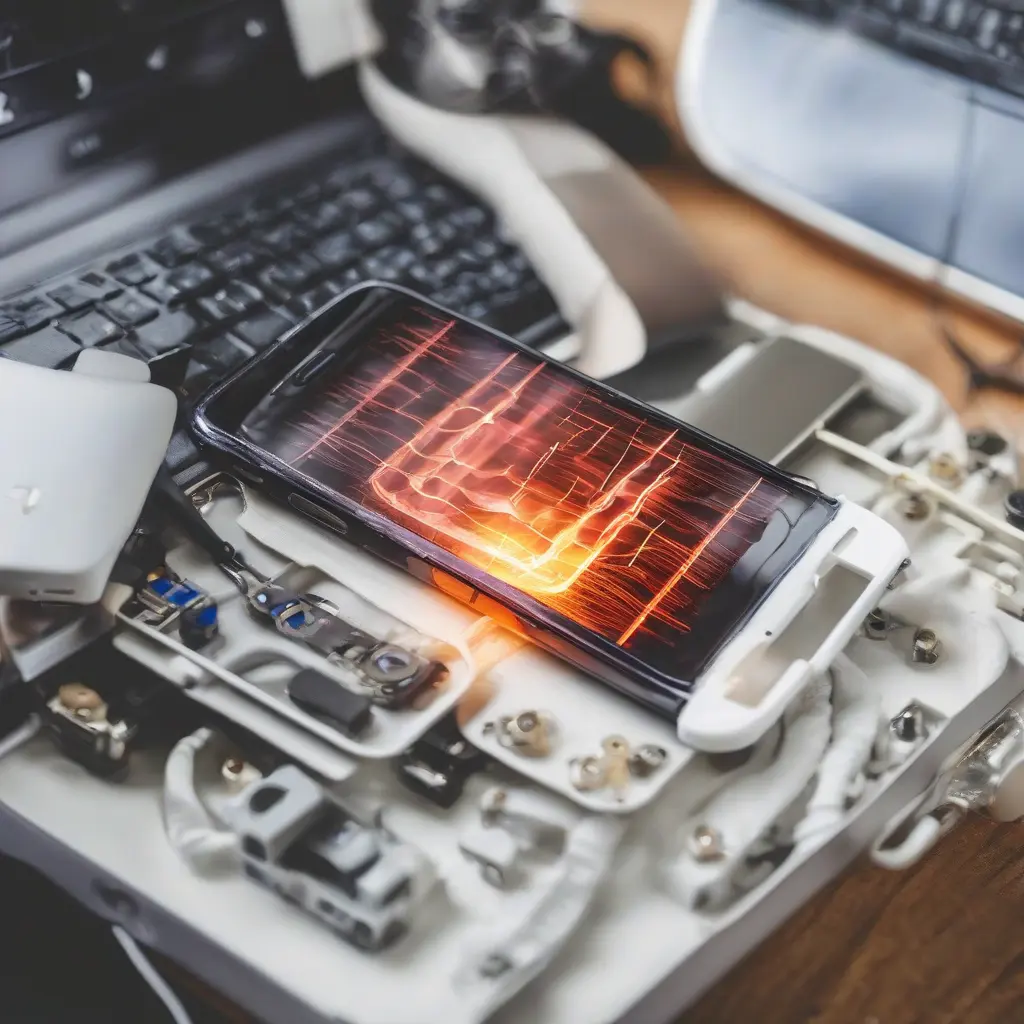
Mobile device overheating is a common issue that can stem from various factors, including software malfunctions, environmental conditions, or hardware failures. Addressing this problem promptly is crucial to ensure device longevity and performance. This article will guide you through effective troubleshooting steps to pinpoint the causes of overheating and provide practical solutions to mitigate the issue. By following these steps, you can maintain the optimal performance and health of your mobile device.
Identify the Cause of Overheating
Before attempting to fix an overheating mobile device, it’s vital to identify the underlying cause. Overheating can occur due to heavy app usage, playing graphics-intensive games, or even environmental factors like direct sunlight. Additionally, software bugs, outdated applications, or a malfunctioning battery can contribute to this problem. By pinpointing the cause, you can implement targeted solutions rather than addressing symptoms, leading to more effective resolution.
Monitor Device Temperature
To troubleshoot overheating, it’s essential to monitor the device’s temperature regularly. Many smartphones feature built-in temperature sensors, while third-party apps can provide detailed insights into device stats. If the temperature exceeds the recommended range (usually around 35-40°C for most devices), consider reducing usage or turning off certain functionalities. Monitoring helps in understanding how usage patterns can affect device temperature and guides you in making the necessary adjustments.
Check for App Issues
Unoptimized or malfunctioning apps can contribute to overheating. It’s advisable to review recently installed apps or those known for high resource usage. Check the app permissions and running processes in the background. Closing or uninstalling problematic apps can drastically reduce system load and subsequently diminish overheating. Consider using device settings to restrict background activity for less essential applications, which helps optimize device performance.
Clear Cache and Unnecessary Data
A cluttered system can lead to overheating as the device struggles to manage resources. Regularly clearing the cache and removing unnecessary data can help alleviate this issue. Go to the storage settings on your device and clear cached files for problematic apps. This process frees up memory and can improve device efficiency, which can indirectly help manage heat production by making processing tasks more streamlined.
Update Software and Apps
Keeping your mobile device’s operating system and applications up to date is essential for optimal performance. Software updates often include bug fixes and improvements that can enhance device efficiency and reduce the likelihood of overheating. Regularly check for system updates and apply them promptly. Similarly, update your apps to their latest versions to ensure that they operate correctly without causing excessive heat generation.
Limit Background Processes
Background processes can consume significant resources, contributing to overheating. Access your device’s settings to manage background applications and limit the ones that run automatically. Utilizing battery saver modes or performance settings can optimize device performance and manage heat effectively. Consider disabling unnecessary notifications and location services for certain apps, as these can also contribute to background resource draining.
Use Airplane Mode When Needed
When experiencing overheating, consider using Airplane mode to temporarily disconnect from mobile networks. This action reduces resource usage significantly, allowing your device to cool down. It’s particularly useful in situations where you might not need connectivity, such as while sleeping or during downtime. This strategy not only helps in managing overheating but also prolongs battery life by decreasing the load on your device’s processors.
Avoid Direct Sunlight
One preventable cause of mobile device overheating is exposure to high temperatures, especially direct sunlight. Keeping your device out of sunlight, particularly during warm weather, can significantly reduce overheating incidents. Store your device in shaded areas or carry it in a case designed for heat insulation. This simple action protects the device’s internal components and ensures they function correctly without the added stress of high external temperatures.
Replace the Battery if Necessary
An aging or faulty battery can contribute to overheating issues in mobile devices. If your device consistently overheats and shows a significant drop in battery performance, it might be time to consider battery replacement. Conduct regular diagnostics to assess battery health, which can be done through device settings or dedicated apps. A new, properly functioning battery can alleviate overheating and restore normal performance levels.
Seek Professional Help
If you’ve tried all troubleshooting steps but the overheating issue persists, it may be time to consult a professional technician. They can diagnose underlying hardware problems that you might not be equipped to handle. Local repair shops or authorized service centers often have the tools and expertise necessary to address complex issues accurately. Professional assistance ensures that your device is repaired correctly and safely, mitigating against future overheating problems.
Regular Maintenance Tips
Implementing regular maintenance can significantly impact your mobile device’s overall health, including temperature management. Regularly check for debris in charging ports and speaker grills, ensuring these areas are free from blockages that can lead to overheating. Moreover, maintain software hygiene by deleting unused apps and files. Backing up your device and performing factory resets occasionally helps in starting fresh, which can optimize performance and reduce overheating risk.
Conclusion
In summary, addressing mobile device overheating problems involves a comprehensive approach, including monitoring device temperature, managing app usage, and conducting regular software updates. By being proactive in your troubleshooting efforts, you can prevent overheating issues and maintain optimal device performance. Practicing regular maintenance and knowing when to seek professional help can extend your device’s lifespan and ensure you remain connected without interruptions.