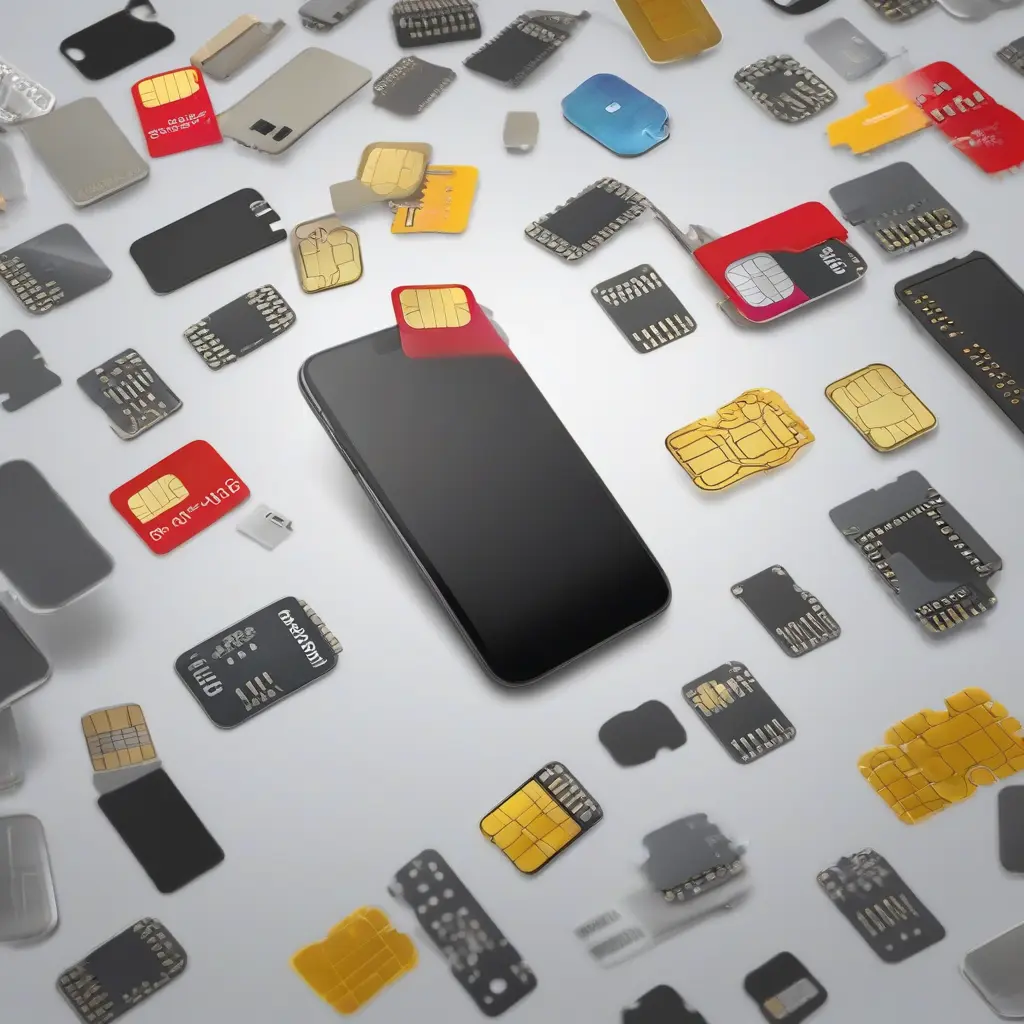
SIM card errors can disrupt your mobile phone experience, preventing you from making calls or accessing the internet. These issues can arise due to various reasons, such as physical damage, software glitches, or improper insertion. Understanding how to troubleshoot these errors is essential for maintaining seamless mobile operation. In this guide, we will explore practical tips to help you identify and fix common SIM card errors, ensuring your device functions optimally and that you stay connected at all times.
Ensure Proper SIM Card Insertion
One of the most common reasons for SIM card errors is improper insertion. Ensure that the SIM card is correctly placed in the tray, oriented according to the diagram often located on the tray itself. Gently remove the SIM card and reinsert it carefully, ensuring it’s seated snugly. Sometimes, a slight misalignment can prevent the phone from recognizing the card. Additionally, avoid using excessive force, as this can damage both the SIM and the card slot.
Check for Physical Damage
Examine your SIM card and tray for any visible signs of damage. Scratches, cracks, or dirt can impact connectivity. If the SIM card appears damaged, consider replacing it with a new one. Also, inspect the SIM slot in your phone for debris or obstructions. Cleaning the SIM card and slot using a soft, dry cloth can eliminate dirt that might hinder proper contact, allowing your device to recognize the card and function correctly.
Restart Your Mobile Phone
Sometimes, a simple restart can resolve various software-related issues, including SIM card errors. Reboot your device to refresh its operating system and reestablish a connection with the SIM card. This process can clear temporary glitches that may be causing the problem. By powering off your phone for a minute before turning it back on, you allow the system to reset, potentially eliminating the error without further intervention.
Update Your Mobile Operating System
Keeping your mobile phone’s operating system updated is crucial for ensuring compatibility with different SIM cards and mobile networks. Check for any available updates by navigating to the settings menu on your device. Manufacturers frequently release updates to fix bugs and enhance performance. Installing the latest version of your operating system might resolve underlying issues contributing to SIM card errors. Be sure to back up your data before proceeding with updates to prevent any loss during the process.
Check Network Settings
Incorrect network settings can also cause SIM card errors. Navigate to your device’s network settings and ensure that the correct network mode is selected. In some cases, switching from 4G to 3G or vice versa can help resolve connectivity issues. Additionally, make sure that airplane mode is disabled, as this can restrict your device from connecting to mobile networks. These settings are often overlooked but can significantly affect your phone’s ability to recognize the SIM card.
Try the SIM Card in Another Device
Testing your SIM card in another mobile phone can help determine whether the issue lies with the card itself or your device. If the SIM card works in a different phone, your original device may have a hardware issue. Conversely, if the SIM card fails in another device as well, it may be time for a replacement. This simple test can save you time and effort while assisting in identifying the root cause of the problem.
Reset Network Settings
If other troubleshooting methods fail, consider resetting your network settings. This option restores all network-related settings to their factory defaults, which can help eliminate configuration errors. To do this, navigate to the settings menu and look for the ‘Reset’ option, then choose ‘Reset Network Settings.’ Keep in mind that this will erase saved Wi-Fi passwords and Bluetooth connections, so be prepared to reconfigure your wireless settings afterward.
Contact Your Service Provider
If you have exhausted all troubleshooting steps without success, it may be time to contact your service provider. They can check if there are any service outages in your area, as well as verify that your account is active and in good standing. Additionally, your provider can troubleshoot further or replace your SIM card if necessary. Engaging with customer support ensures that all network-related issues are addressed professionally.
Consider SIM Card Compatibility
Incompatibility between your SIM card and mobile phone can lead to persistent errors. Ensure that the SIM card you are using is compatible with your device and the network frequency. Different carriers may also use different standards for SIM cards, so verify that your card is designed for use with your current provider. If you have recently switched carriers, you may need a new SIM card that meets those specifications to ensure optimal performance.
Check for Software Conflicts
Software conflicts, such as those caused by third-party apps or custom ROMs, can interfere with your device’s network connectivity. If you’ve recently installed new applications, try removing them to see if your SIM card errors persist. Additionally, entering safe mode may help diagnose whether background apps are causing the issue. In this mode, your device only runs default applications, allowing you to determine if the problem is software-related.
Conclusion
Fixing SIM card errors involves a systematic approach to troubleshooting, from ensuring proper insertion to consulting your service provider. By following these tips, you can effectively diagnose and address the issues impacting your mobile device. Regular maintenance and awareness of your mobile settings can keep disruptions to a minimum, allowing you to stay connected with ease. Should problems persist, seeking professional assistance can provide additional support.