Mobile devices are essential in our daily lives, and protecting them should be a top priority. One effective way to ensure the longevity of your smartphone or tablet is by using a screen protector. Screen protectors serve as a barrier against scratches, smudges, and cracks. They can significantly extend your device’s lifespan, maintain its performance, and preserve its resale value. Understanding how to choose and apply a screen protector correctly is key to maximizing its benefits and ensuring your device remains in excellent condition.
Understanding Screen Protector Types
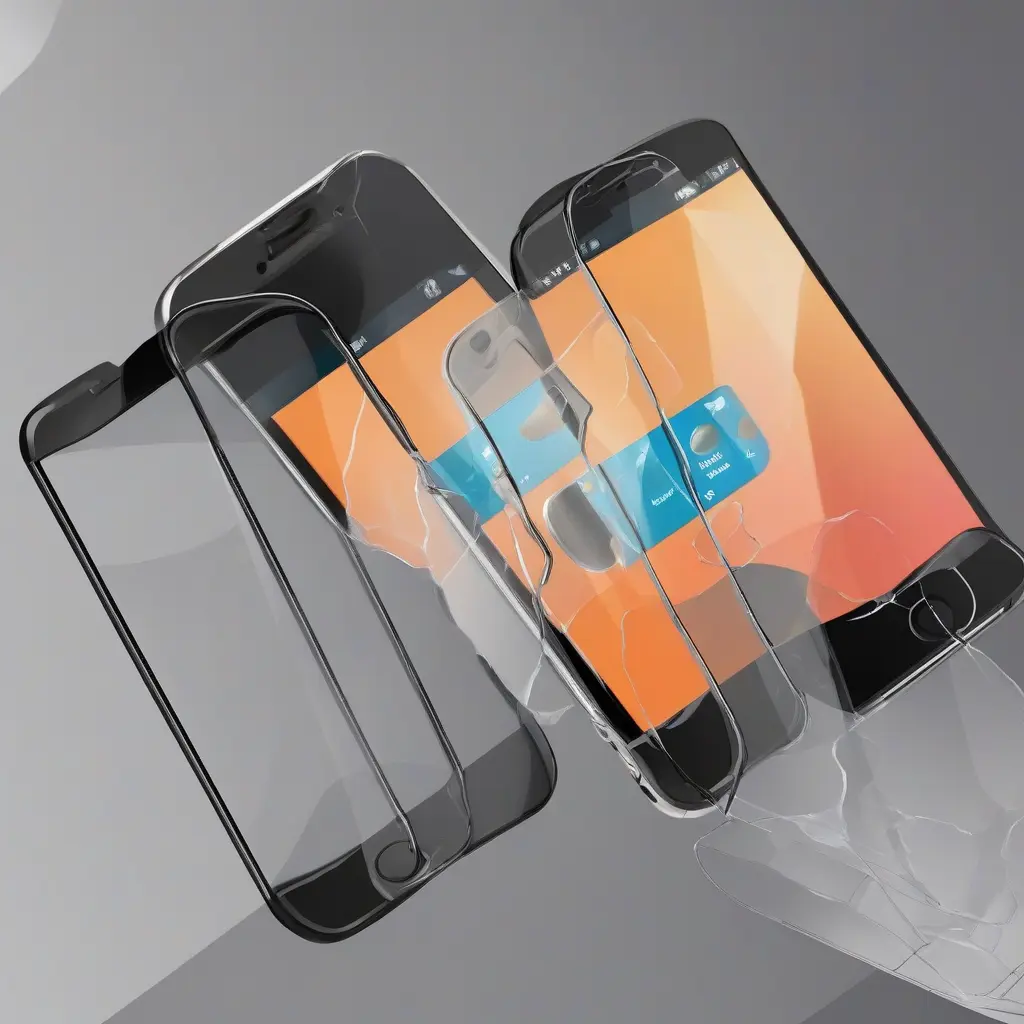
When selecting a screen protector, it’s important to understand the various types available. There are primarily two categories: tempered glass and plastic film. Tempered glass protectors offer robust protection against impact and scratches while maintaining high clarity and touch sensitivity. On the other hand, plastic film protectors are thinner, lighter, and more affordable, but they may not provide the same level of impact resistance. Knowing the differences can help you make an informed decision based on your lifestyle and usage.
Choosing the Right Screen Protector
Choosing the right screen protector involves assessing both your device and your personal habits. Consider factors such as the type of activities you perform with your phone, like gaming or outdoor adventures. If you frequently use your device in rugged environments, a durable tempered glass protector may be more suitable. For those who predominantly use their devices in less abrasive conditions, a plastic film might suffice. Additionally, check for compatibility with your device’s size and camera features, as improper fit can affect functionality.
Importance of Proper Installation
Proper installation of a screen protector is crucial for its effectiveness. A poorly applied protector can lead to air bubbles, misalignment, or reduced touch sensitivity, negating its benefits. Start by cleaning your device screen thoroughly with a microfiber cloth. Many protectors come with installation kits that include cleaning wipes and dust-removal stickers to aid in the process. Taking your time to ensure precise application will ensure that your protector adheres well and provides maximum protection.
Maintaining Your Screen Protector
Even after installing a screen protector, ongoing maintenance is essential to keep it effective. Regularly clean the surface with a microfiber cloth to remove fingerprints, dust, and smudges. Avoid using harsh cleaners that can degrade the materials of the protector. Instead, opt for a gentle screen-safe solution if needed. If you notice any scratches or wear on a plastic film protector, consider replacing it to maintain optimal protection. Keeping it clean will not only extend its lifespan but also enhance your viewing experience.
Knowing When to Replace Your Screen Protector
Recognizing when to replace your screen protector is vital for continued device protection. If you notice significant scratches, cracks, or peeling edges, it may be time for a new one. While tempered glass protectors tend to last longer than plastic films, they can also suffer damage. Monitor your protector’s condition regularly to evaluate its effectiveness. It’s better to replace a worn protector before it allows scratches or impacts to reach your device screen, ensuring continued longevity.
The Role of Screen Protectors in Resale Value
Using a screen protector can positively influence your device’s resale value in the long run. Potential buyers are often more attracted to well-maintained devices that show minimal signs of wear. A phone or tablet with an intact screen is more appealing than one with scratches or cracks. Therefore, investing in a quality screen protector not only preserves your device but can also lead to a better return on investment when it’s time for an upgrade. This aspect adds another layer of justification for the use of screen protectors.
Popular Brands of Screen Protectors
Several brands are known for their quality screen protectors, each offering unique features that cater to different user needs. Companies like ZAGG, OtterBox, and Belkin have established strong reputations for durability and clarity. It’s beneficial to research user reviews and product comparisons to find the best fit for your device. Many brands also offer warranties or guarantees, adding an extra level of assurance for buyers. Consider investing in established brands to enhance the effectiveness and reliability of your screen protector.
Screen Protectors for Different Devices
Screen protectors aren’t limited to smartphones; they are also available for tablets, smartwatches, and even laptops. Each device has specific needs based on screen size and usage patterns. For instance, tablets often require larger protectors and might benefit from films that reduce glare. Smartwatches may need custom-cut protectors to fit their unique shapes. Identifying the correct type of protector for each device can ensure comprehensive protection across all your tech, maximizing their operational lifespan.
Conclusion
In conclusion, utilizing screen protectors is a fundamental practice for anyone who wishes to enhance the longevity of their mobile devices. By understanding the different types, proper installation methods, and maintenance routines, you can significantly reduce wear and tear on your device. Additionally, this simple yet effective barrier not only preserves the aesthetic appeal of your gadget but also contributes to its functional efficiency. Investing time and resources into proper screen protection is an investment in your device’s future.