Microphone problems can be frustrating, especially when making calls, using voice commands, or recording audio. Both Android and iOS devices may encounter various types of microphone issues, such as muffled sound, no sound at all, or distorted audio. Understanding the root causes of these problems is essential for effective troubleshooting. This guide explores common microphone issues on mobile devices, along with practical solutions to restore functionality. With some basic troubleshooting steps, you can resolve these challenges quickly.
Common Microphone Issues in Mobile Devices
Microphone issues can manifest in several forms, making it hard to pinpoint the exact problem. Common symptoms include the microphone not picking up sound, distorted audio during calls, or muffled sound quality while recording. These problems can stem from hardware malfunctions, software bugs, or even external factors like dust and debris. Identifying the specific issue is the first step toward a successful resolution, as each type may require a different approach for troubleshooting.
Checking Hardware Connections
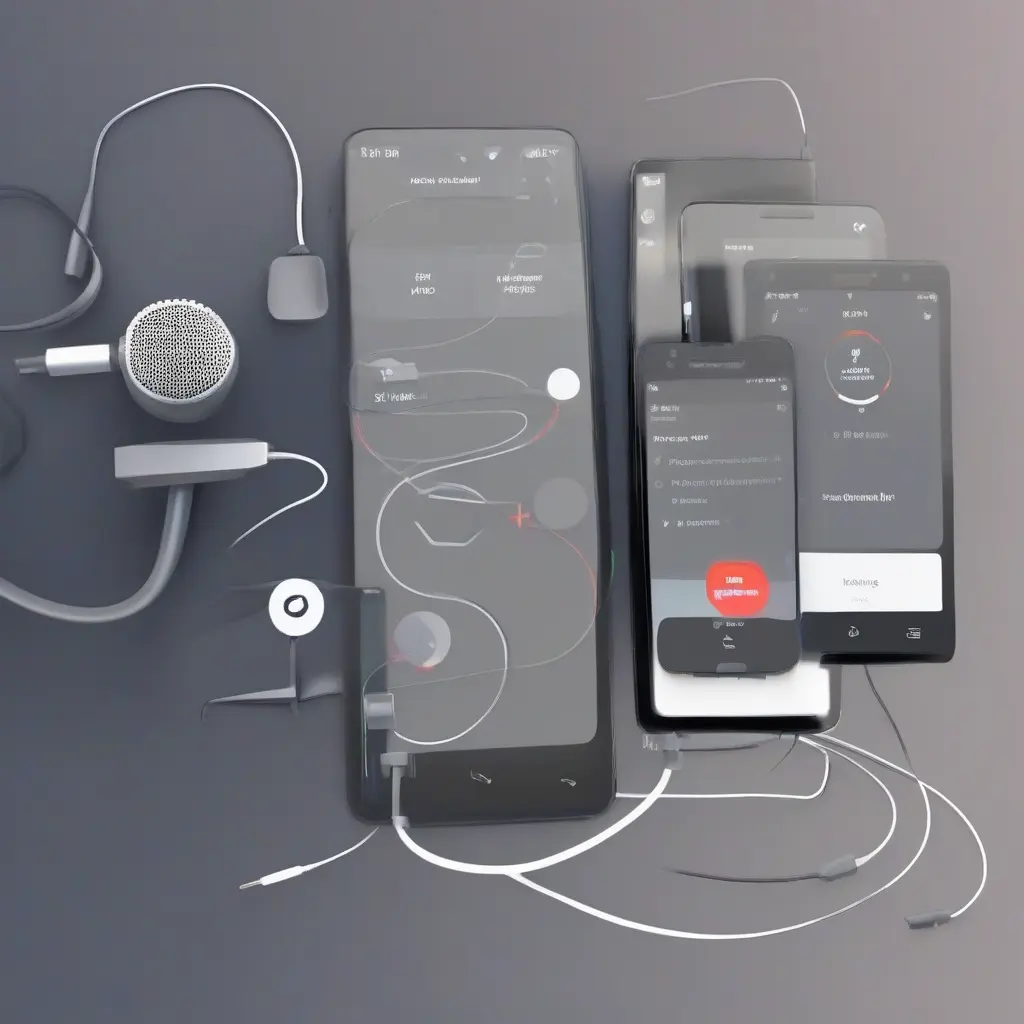
One of the first steps in troubleshooting microphone issues is to check all hardware connections. For external microphones, ensure they are fully plugged into the device’s audio jack. If you’re using a headset, verify that it’s compatible with your model. Additionally, inspect the device for any visible signs of damage, such as cracks or loose components. Hardware problems often lead to malfunctioning microphones, so making sure everything is properly connected and intact is crucial.
Cleaning Your Microphone Port
Dirt, dust, and lint can accumulate in the microphone port, obstructing sound capture. To clean the microphone area, use a soft brush or a dry, lint-free cloth to gently remove any debris. Avoid inserting sharp objects, which can damage the microphone. Cleaning the port is an effective way to address muffled sound issues and can significantly improve audio quality. Keeping your device clean is a simple maintenance step that can prevent microphone problems.
Updating Your Device Software
Software bugs can often lead to microphone issues, so making sure your device is running the latest operating system is essential. Both Android and iOS frequently release updates that fix known bugs, including those affecting audio quality. To check for updates, navigate to your device’s settings, and look for the software update option. Installing these updates can resolve many issues and ensures your device has the latest features and security patches.
Testing Your Microphone
Before diving deeper into troubleshooting, it’s essential to test your microphone to confirm it’s the source of the issue. You can use various apps for this, such as voice memos or video recording applications that utilize the microphone. During the test, speak clearly, and listen for any distortions or drops in clarity. If the microphone performs poorly in tests but works in different apps, it may indicate a software-related issue rather than a hardware malfunction.
Checking App Permissions
Certain apps require permission to access your device’s microphone. If permissions are disabled, the microphone may not function correctly. To check permissions, navigate to your device’s settings and locate the app in question. Ensure that the microphone permission is enabled. If permissions appear to be correctly set but issues persist, try uninstalling and reinstalling the app to restore function. Managing app permissions can resolve many software-related microphone issues.
Using Safe Mode for Troubleshooting
Booting your device in Safe Mode can help determine if third-party apps are causing microphone problems. In Safe Mode, only pre-installed apps load, allowing you to test the microphone without interference. To enter Safe Mode, typically, you need to press and hold the power button, then tap and hold the ‘Power off’ option until prompted to enter Safe Mode. If the microphone works correctly in Safe Mode, a third-party app may be the culprit. Identify and uninstall problematic apps for resolution.
Performing a Factory Reset
If all troubleshooting steps fail, a factory reset may be necessary as a last resort. A factory reset restores your device to its original settings, erasing all data, so it’s crucial to back up your data first. Access the reset option in the device settings, selecting ‘Factory data reset.’ After the reset, set up your device from scratch and test the microphone to determine if the issue has been resolved. This can fix stubborn software bugs and restore the microphone’s functionality.
When to Seek Professional Help
If you have exhausted all troubleshooting options without success, it may be time to seek professional help. Microphone issues can sometimes be symptomatic of more serious hardware problems requiring expert diagnostics and repair. Visit an authorized service center or contact customer support for further assistance. Professional help ensures that your device is handled safely and that any underlying issues are fully addressed, providing peace of mind.
Conclusion
Microphone problems on Android and iOS devices can be frustrating, but understanding the troubleshooting steps can help restore functionality. From checking hardware connections to cleaning microphone ports and managing app permissions, various solutions are available. If issues persist, consider seeking professional assistance. With the right strategies, you can ensure your device remains functional and enjoy seamless audio experiences.