As monsoon season approaches in India, many mobile users experience call drop issues. This problem can arise due to various factors such as weather conditions, network congestion, and infrastructure challenges. Understanding these issues and how to effectively diagnose and fix them can help maintain clear communication. This guide outlines common reasons behind call drops during the monsoon, along with practical solutions to improve your mobile experience.
Impact of Rain on Mobile Networks
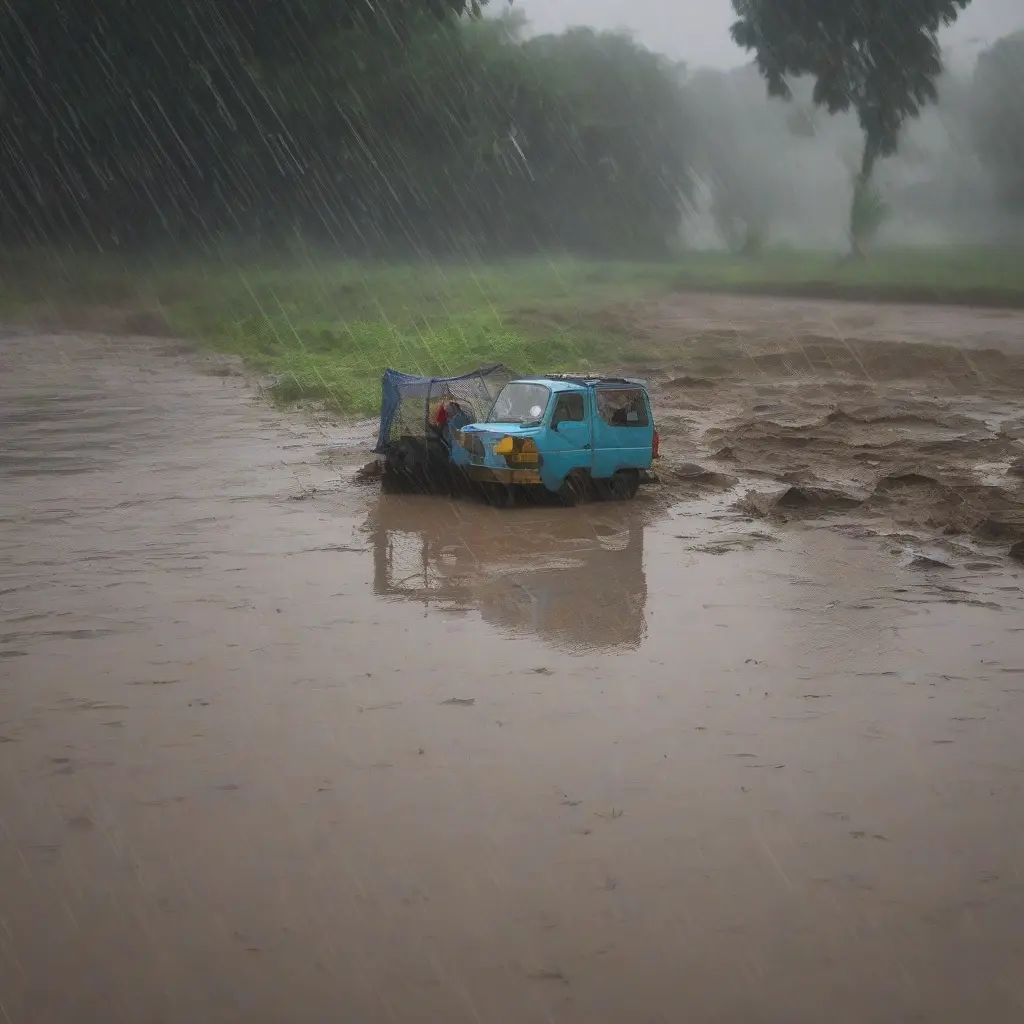
Rain can significantly impact mobile networks, causing call drops and connectivity issues. Water can interfere with signal transmission, leading to reduced voice quality or complete disconnections. Moreover, heavy rainstorms can cause physical damage to network infrastructure, including cell towers and antennas, which further exacerbates the problem. Awareness of these environmental factors is essential for users seeking to understand why their calls may be dropping frequently during the monsoon season.
Understanding Network Congestion
During the monsoon season, network congestion can be particularly problematic. As more people seek shelter indoors, they may rely heavily on their mobile devices, leading to increased traffic on existing infrastructure. This surge can overwhelm the network, resulting in dropped calls and slower data speeds. Monitoring usage during peak hours can help users identify when congestion is most likely affecting their calls, enabling them to strategize their communication accordingly.
Checking Your Mobile Device Settings
Sometimes, the settings on your mobile device can contribute to call drop issues. Ensure that your device’s network mode is properly configured, ideally set to ‘automatic,’ which allows it to switch between 4G, 3G, and 2G networks as needed. Additionally, check whether your device’s software is updated, as manufacturers often release patches that enhance network performance. By optimizing your device settings, you can mitigate some factors leading to dropped calls.
Importance of Signal Strength
A weak signal is often the root of call drop problems, especially during the monsoon when environmental factors play a critical role. Users can check signal strength by observing the network bars on their device displays. If the signal is weak or fluctuating, it might be necessary to move to a different location, ideally to a higher point or an area with fewer obstructions. Understanding the importance of signal strength can help you maintain a better connection during rainy weather.
Utilizing Wi-Fi Calling
Wi-Fi calling is an effective solution to combat call drop issues, particularly in areas with weak cellular signals. By making calls over Wi-Fi networks, users can bypass unreliable mobile networks entirely. Most modern smartphones support this feature, which may need to be enabled in the device settings. Utilizing Wi-Fi calling not only enhances call clarity but also minimizes reliance on mobile towers, providing a more stable communication option during monsoons.
Checking for Network Outages
Regularly checking for network outages can help users understand the reasons behind their call drop problems. Service providers often publish updates on outages or maintenance schedules that might affect connectivity. Many mobile apps also provide real-time feedback on network status. By being informed about potential outages, users can adjust their communication plans accordingly, ensuring they connect at optimal times when the network is functioning properly.
Consulting Your Service Provider
If call drop issues persist despite checking your device and signal strength, it may be time to consult your service provider. They can provide insights into known issues in your area and may offer solutions such as network upgrades or the installation of additional towers. Keeping an open line of communication with your provider not only assists in identifying problems but can also expedite possible resolutions. Providers value customer feedback and often work to enhance service quality.
Maintaining Your Mobile Device
Proper maintenance of your mobile device can prevent various connectivity issues, including call drops. Regularly cleaning your phone can prevent moisture buildup, which is vital during the monsoon. Additionally, using a quality protective case can help shield your device from water exposure. Keeping your device in good condition minimizes the likelihood of hardware failures that contribute to call drop problems, ensuring better overall functionality.
Examples of Common Issues
Specific common issues lead to call drops, especially during the monsoon. These include damaged SIM cards, blocked antennas, and outdated software. Users should regularly inspect their SIM cards for physical damage and ensure they are fully inserted. In addition, keeping the device’s software updated is crucial for optimal performance. Identifying these common problems allows users to take corrective steps quickly, mitigating disruptions during crucial calling periods.
Conclusion
Diagnosing and resolving call drop issues during the monsoon season in India involves a multifaceted approach. By understanding the environmental factors affecting mobile networks and employing practical solutions such as utilizing Wi-Fi calling or consulting service providers, users can enhance their calling experience. With regular maintenance and proactive measures, it is possible to minimize disruptions and ensure clear communication, even during stormy weather.